Explore all cities

La Rambla in Barcelona: a complete guide

An expert walkthrough exploring the five historic sections, legendary cultural landmarks, street navigation tips, and essential safety habits.

In short

Originally a sandy seasonal riverbed running outside the city walls, the tree-lined promenade acts today as the historic boundary separating the Gothic Quarter from El Raval. It is officially composed of five distinct connected sections known collectively as Les Rambles, each carrying its own historic character, architectural landmarks, and commercial heritage. Walking its length introduces visitors to century-old opera houses, lively flower stalls, mosaic pavement art, and public fountains central to local civic identity.

  • 1.2-kilometer promenade from Plaça de Catalunya to Port Vell.

  • Historic border between Gothic Quarter and El Raval.

  • Composed of five distinct sections (Les Rambles).

  • Served by Catalunya, Liceu, and Drassanes metro stops.

  • Features Font de Canaletes, Gran Teatre del Liceu, and Miró’s Mosaic.

☰ Table of content

The perfect stop

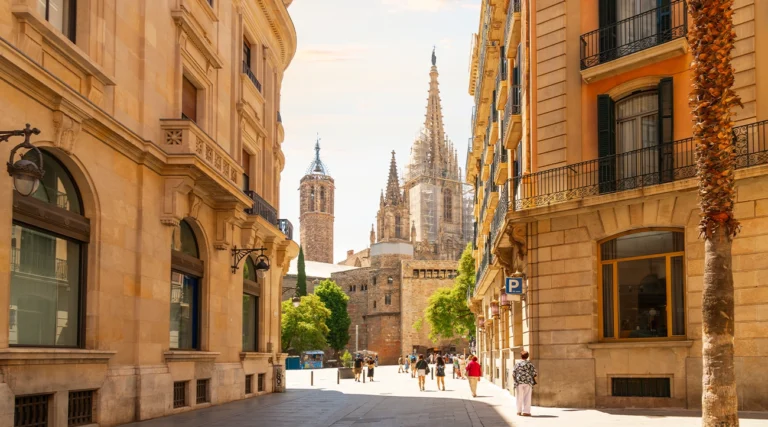
Lush plane trees and sweeping historic facades frame a lively pedestrian corridor stretching toward the sea.

  • Recommended stop time 30'

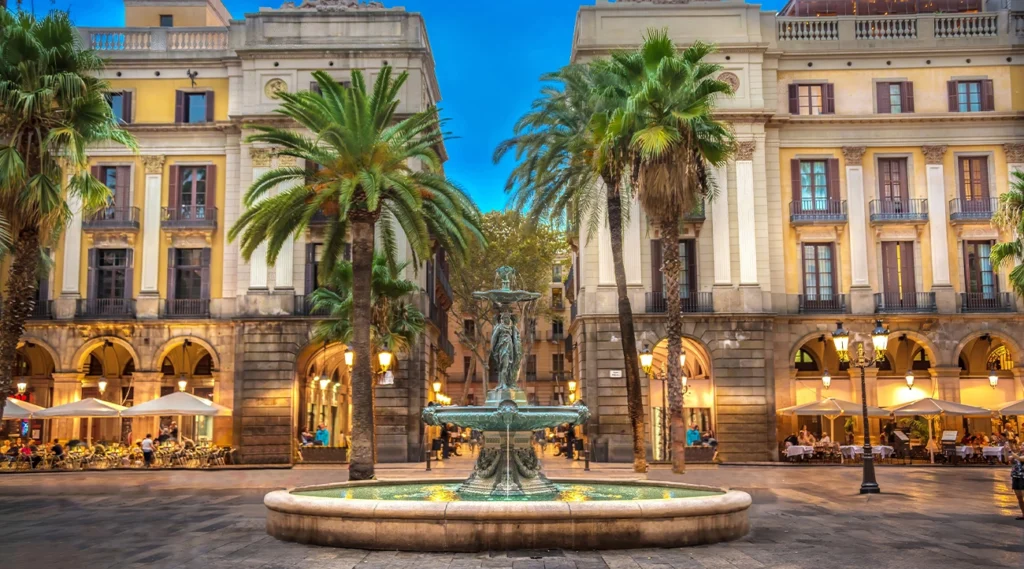
    To stroll between open-air flower kiosks, admire Miró's colorful pavement mosaic, inspect Gaudí's street lamps in Plaça Reial, and rest feet along stone fountain rims.

  • Local customs

    A pause for mid-morning espresso at historic counter bars and passersby step up to Font de Canaletes to take a quick sip of fresh mountain water from its bronze taps.

What to see on La Rambla

From its northern neoclassical fountain down to maritime monument views, these five stops capture the authentic cultural essence of the avenue.

1

Font de Canaletes Iconic

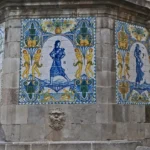
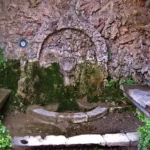
Iconic nineteenth-century iron fountain promising return to Barcelona.

2

Palau de la Virreina

Baroque palace hosting contemporary photography and cultural exhibitions.

3

Gran Teatre del Liceu

Prestigious nineteenth-century opera house showcasing lavish interior halls.

4

Miró pavement mosaic

Vibrant circular tile artwork embedded in pedestrian pavement.

5

Plaça Reial

Neoclassical colonnaded square featuring palm trees and Gaudí lanterns.

Quick summary of La Rambla

A leisurely walk along La Rambla delivers an essential first taste of Barcelona’s urban vitality, maritime history, and public art.

Explore activities on La Rambla

Enhance your walk down the boulevard with curated guided walking tours, historic Liceu opera visits, and fast-track access to nearby cultural landmarks.

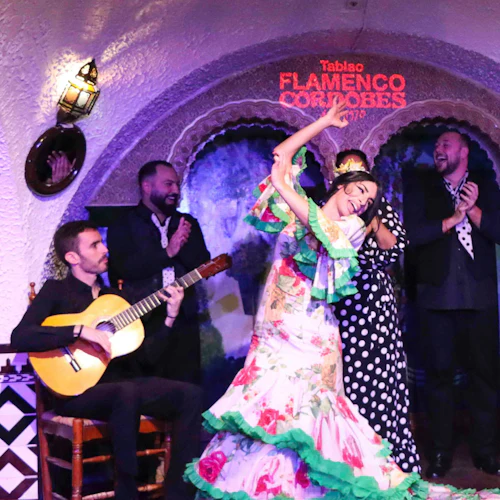
Flamenco Show Tablao Cordobes

Tablao Flamenco Cordobes: Flamenco Show + Food and/or Drinks

Take in the authenticity of a real flamenco show in Barcelona
Bestseller
Architectural rooftop featuring colorful, mosaic-covered sculptural chimneys and brick structures under a clear blue sky.

Palau Güell (Güell Palace): Entry Ticket

Visit a Gaudí masterpiece like no other in the heart of La Rambla
Barcelona Wax Museum

Wax Museum: Skip The Line Ticket

Waxy and wacky figures off Las Ramblas

Good to know

  • Frequent pickpockets: keep bags closely guarded in crowds.

  • Five historic sections: known collectively as Les Rambles.

  • Three metro stops: Catalunya, Liceu, and Drassanes connect promenade.

  • Terrace price surcharges: outdoor tables charge higher drinks bills.

Practical tips

  • Early morning strolls: visit before ten to dodge heavy crowds.
  • Pocket your smartphone: avoid table snatching at terrace cafes.
  • Sip Canaletes water: taste clean, fresh mountain tap water.
  • Dine side streets: find authentic food two blocks away.

How to reach La Rambla

Reaching Barcelona’s most famous boulevard is effortless thanks to its central position and excellent connections across the municipal transport network.

Metro

Take line L1 or L3 to Catalunya at the top, line L3 to Liceu in the center, or line L3 to Drassanes at the bottom near the port.

Bus

Hop on lines V13, V15, 59, or D20, which drop passengers directly along the perimeter or at the boulevard's northern and southern terminals.

Walking

Stroll directly down from Plaça de Catalunya, cut across through the Gothic Quarter's Carrer de Ferran, or walk over from Port Vell.

La Rambla, Barcelona

History of La Rambla

The story of La Rambla begins not as a paved boulevard, but as a humble geographic boundary. The word itself derives from the Arabic ramla, meaning a sandy riverbed. In medieval Barcelona, this depression served as an unpaved torrential channel channeling rainwater from the Collserola hills directly down into the Mediterranean Sea.

When the city erected its 14th-century second ring of defensive walls along the eastern rim of this gully, the stream became a physical frontier separating the medieval Gothic core from the agricultural fields of El Raval.

Transformation into an urban thoroughfare began in earnest during the 18th century. In 1766, the inner medieval wall along the stream was finally demolished to facilitate circulation. City planners began leveling the dusty torrent bed, filling its dips, and planting rows of leafy plane trees to transform an unruly border ditch into a unified public promenade. 

Over the next decades, wealthy local families and noble merchants commissioned grand neoclassical and baroque residences along the newly leveled drive, turning the avenue into a fashionable venue for evening strolls.

The 1830s brought another radical urban shift following the ecclesiastical confiscations (desamortizaciones), which saw numerous monasteries along the western edge seized and dismantled. These newly liberated parcels made room for major civic public works.

 Convent grounds were cleared to construct the neoclassical colonnades of Plaça Reial, the vibrant market halls of La Boqueria, and the prestigious Gran Teatre del Liceu, which opened its doors in 1847 to establish the boulevard as the primary cultural stage of Catalonia.

By the mid-19th century, the promenade evolved into five contiguous segments, each acquiring a distinct identity. The northern stretch became famous for the Font de Canaletes, where sports fans and citizens gathered, while the central sections filled with celebrated flower stalls, news kiosks, and bookstalls. 

It grew into a democratic social crossroad where bohemians, artists, opera patrons, and dockworkers brushed shoulders beneath the leafy canopy, solidifying the street as the pulsing heart of Barcelona’s public life.

Curiosities about La Rambla

  • Five boulevards in one: officially named Les Rambles because it combines five connected segments stretching down toward the sea.

  • Arabic watercourse origins: the name derives from ramla, meaning sandy riverbed, recalling the seasonal torrent that once ran here.
  • Fountain return legend: sipping water from Font de Canaletes guarantees, according to local myth, a future return to Barcelona.
  • Newspaper football tradition: FC Barcelona fans gather at Canaletes where a 1930s sports newspaper first posted scores on blackboards.
  • Walkable Miró masterpiece: the 1976 circular pavement mosaic was designed deliberately without barriers for crowds to step directly over.

Tickets and tours on La Rambla

Find your stay on La Rambla

Staying along Barcelona’s most celebrated boulevard places the city’s historic core right outside your doorstep, with iconic landmarks, metro lines, and vibrant Gothic Quarter alleys reachable within seconds.

Frequently Asked Questions - FAQ

What is the best time to visit La Rambla?

Early morning before 10:00 offers peaceful strolls and uncrowded photos, while late afternoon delivers vibrant street life.
Yes, but exercise increased awareness late at night, especially near side alleys where pickpocketing and street scams concentrate.

A non-stop direct walk takes roughly twenty minutes, though sightseeing stops, markets, and squares easily extend visits to an hour.

Yes, the water flowing from the fountain taps is clean, safe, and part of the municipal drinking supply.

Catalunya sits at the north end, Liceu serves the central stretch, and Drassanes anchors the southern harbour section.

The promenade is formed by five contiguous sections, each featuring its own historic identity, architecture, and civic heritage.

Outdoor terraces along the main strip often charge premium prices; heading two blocks into side streets guarantees higher dining quality.
Yes, the central pedestrian avenue is entirely paved, wide, and flat, with street crossings and metro elevators providing easy navigation.

More activities and experiences in Barcelona

You might also be interested in...

The journey continues…

Santa Maria del Mar interiors
Park Guell panorama at sunset
Having brunch in Barcelona
Sant Pol de Mar
Sant Pau del Camp outside
Tarragona landscape

Must-Do Activities & Tours

Share:
Prev
Passeig de Gràcia: architecture, shopping, and landmarks
Next
Tourist traps to bypass in Barcelona: authentic alternatives

Explore all cities