Gastronomic ambition meets Mediterranean soul
The strength of Barcelona’s premier dining scene lies in its remarkable breadth. Here, three-star temples push the boundaries of culinary chemistry right alongside unpretentious chef bistros that celebrate wild mushrooms, charcoal grills, and deep coastal broths.
Whether you pull up a stool at an intimate open kitchen counter or settle into a restored modernist dining salon, the Catalan capital consistently delivers hospitality and culinary precision of the highest order.
☰ Table of content
Types of restaurants in Barcelona
Understanding the distinct categories of dining rooms helps match every evening with the ideal culinary atmosphere.
Haute cuisine laboratories
Multi-starred tasting rooms delivering cutting-edge modernist techniques, multi-course journeys, and sommelier-led pairings.
Contemporary Catalan bistros
Intimate, chef-driven spaces reimagining traditional regional recipes using seasonal market produce.
Gastronomic tapas bars
Elevated counter-service dining focusing on high-grade seafood, pristine Iberian charcuterie, and refined small plates.
Historic heritage institutions
Generational dining palaces preserving classical Catalan banquet traditions beneath vaulted stone ceilings.
Culinary activities in Barcelona
Deepen your epicurean journey with sommelier-led tastings of rare regional vintages, private chef market excursions, or molecular gastronomy masterclasses.
Handpicked finest restaurants in Barcelona
A curated selection of the city’s most accomplished dining destinations, celebrated for culinary excellence and artistry.
Disfrutar
Globally acclaimed creative temple by El Bulli alumni, delivering playful modernist tasting menus, surprising textures, and Mediterranean flavors.
Lasarte
Distinguished three-star flagship by chef Martín Berasategui, offering elegant modern interiors, impeccable service, and refined seasonal creations.
Alkimia
Set inside a lavish modernist apartment above a historic brewery, chef Jordi Vilà redefines contemporary Catalan gastronomy with seasonal flair.
Tickets Bar legacy (Teatro Kitchen & Bar)
Theatrical culinary circus paying homage to Albert Adrià's legacy with whimsical bites, liquid olives, and dazzling finger foods.
Best tapas bars in town
Lively marble counters and sizzling planchas define Barcelona’s tapas culture, where friends gather to share legendary small plates.
El Xampanyet
Centuries-old El Born tavern famed for house sparkling wine, salted Cantabrian anchovies, and vibrant communal marble counter energy.
La Cova Fumada
No-frills harbor institution credited with inventing the fiery potato bomba, serving grilled sardines and squid straight off the griddle.
Cervecería Catalana
Lively Eixample showcase featuring extensive glass display cases packed with fresh shellfish montaditos, crispy bravas, and draft beer.
Bar La Plata
Beloved Gothic Quarter relic preserving an unchanged four-item menu centered on fried whitebait, tomato salad, and country sausages.
What are the best restaurants in every neighborhood?
Every district across Barcelona boasts distinct culinary identities. Historic alleys, seaside bodegas, and leafy avenues offer singular dining experiences.
Gothic Quarter
- Can Culleretes: classic Catalan stews.
- Bar La Plata: legendary fried sardines.
- Koy Shunka: Michelin-starred Japanese dining.
El Born
- Estimar: exceptional grilled fresh seafood.
- El Xampanyet: sparkling wine and tapas.
- Cal Pep: iconic seafood counter dishes.
Eixample
- Disfrutar: world-acclaimed avant-garde cuisine.
- Cervecería Catalana: bustling counter tapas bar.
- Gresca: creative natural wine bistro.
Gràcia
- Roig Robí: elegant garden terrace dining.
- La Pubilla: hearty traditional market breakfasts.
- Bar Mut: upscale creative tapas dishes.
Barceloneta
- La Cova Fumada: original spicy bomb makers.
- Can Solé: classic seafood and paella.
- Bar Jai-Ca: lively fried seafood tapas.
Poblenou
- Els Pescadors: traditional square rice tavern.
- Can Recasens: rustic charcuterie and wine.
- Koh: vibrant Asian street food.
What are the best restaurants in every neighborhood?
Every district across Barcelona boasts distinct culinary identities. Historic alleys, seaside bodegas, and leafy avenues offer singular dining experiences.
Sagrada Família
- Can Ramonet: traditional seafood and rice dishes.
- La Taqueria: authentic Mexican street tacos.
- Sant Joan: homestyle Catalan daily lunch menus.
Park Güell
- Terra Mia: fresh pasta in leafy garden.
- Bar Casi: hearty neighborhood homecooked lunches.
- Tibidabo Brewing: craft beers and gourmet burgers.
Casa Batlló
- El Nacional: multi-space culinary destination for tapas.
- Tapas veinticuatro: gourmet twists on classic tapas.
- Besta: seasonal Catalan and Galician fusion.
Casa Milà
- Pur Barcelona: charcoal-grilled refined Catalan dishes.
- Windsor: elegant fine dining inside courtyard.
- Bar Mut: upscale seafood and market tapas.
Camp Nou
- Can Fusté: classic upscale Catalan meat cuts.
- La Riera: traditional vegetarian daily lunch plates.
- Antichi Sapori: homestyle southern Italian handmade pastas.
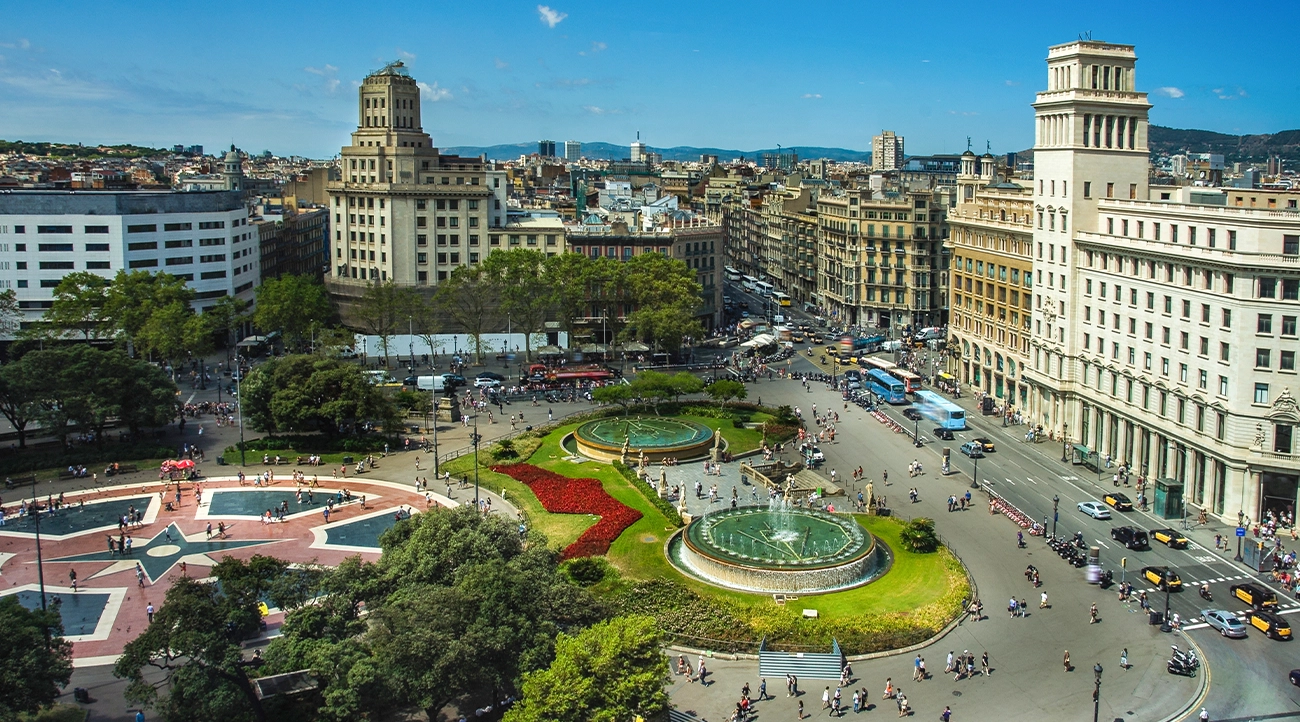
Plaça de Catalunya
- Ciudad Condal: bustling classic counter for montaditos.
- Casa Alfonso: historic cured meats and charcuterie.
- La Flauta: legendary flauta sandwiches and tapas.
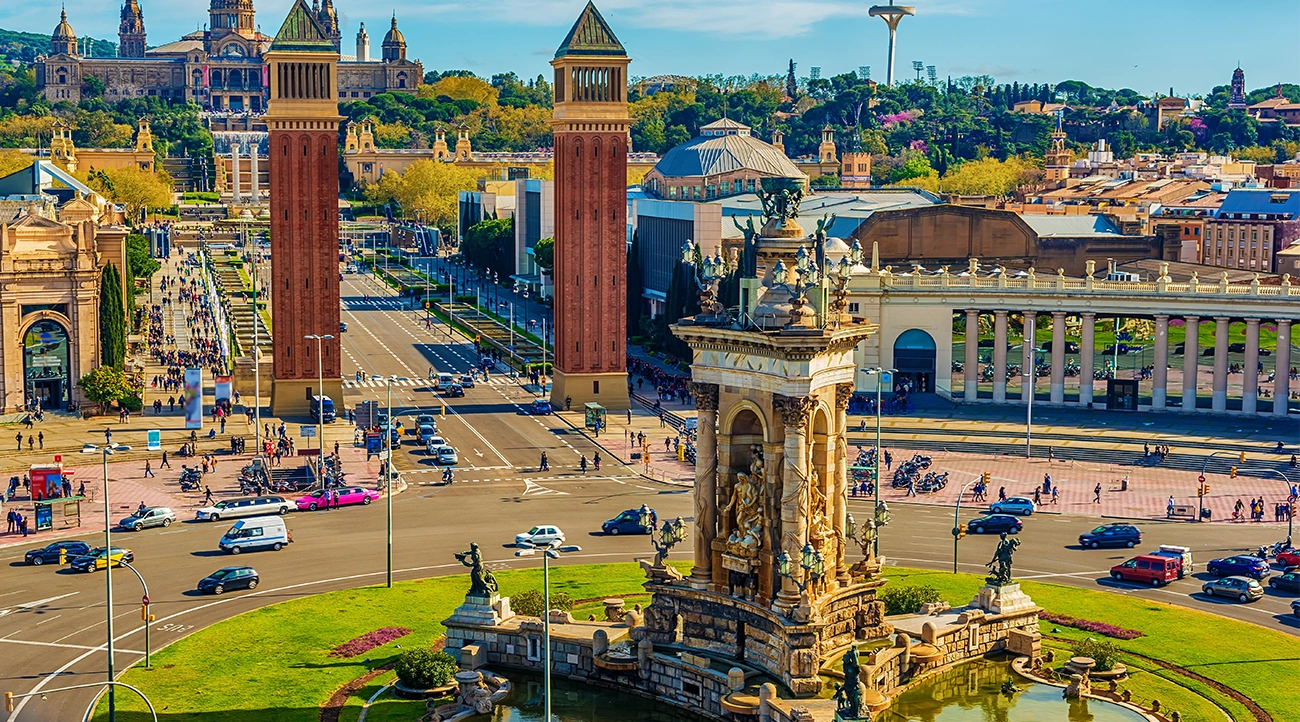
Plaça d'Espanya
- Tickets Bar: creative contemporary small plate dining.
- Bodega Amposta: traditional vermouth and canned delicacies.
- La Campana: honest Galician pulpo and meats.
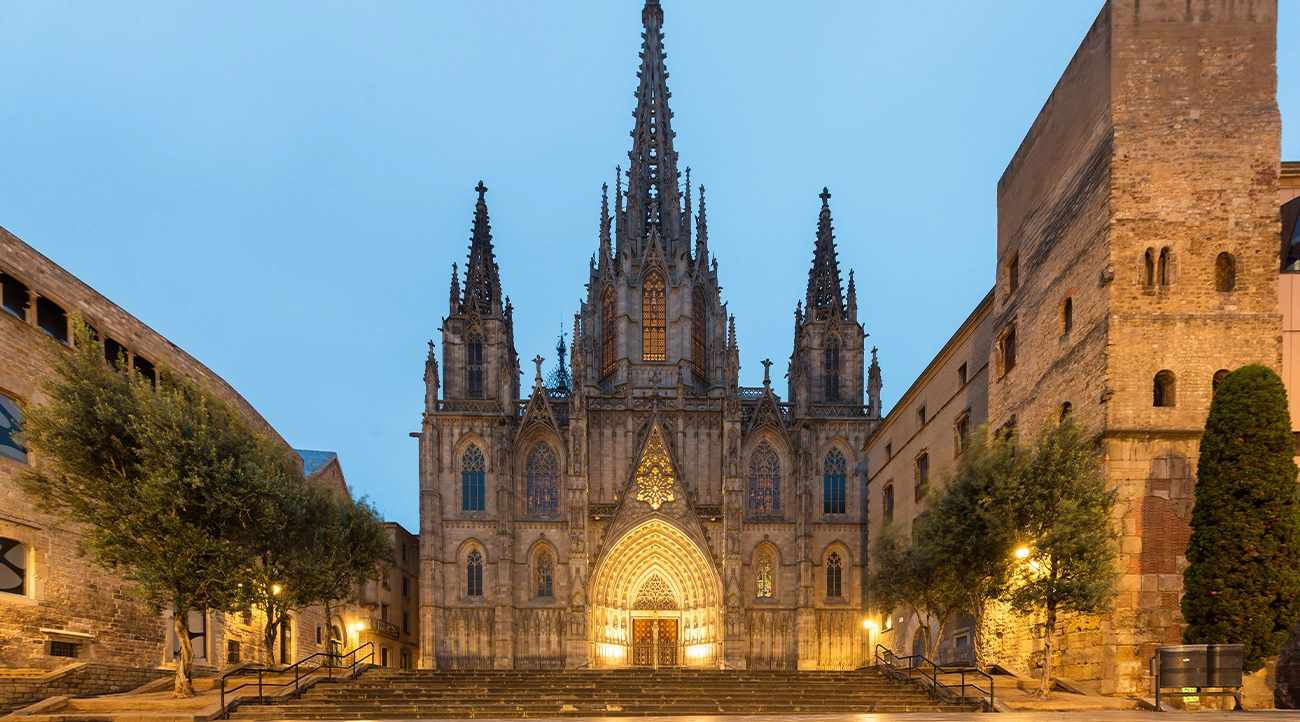
Barcelona Cathedral
- Can Culleretes: historic Catalan stews for more than two centuries.
- Bar La Plata: famous fried sardines and wine.
- Tapeo Born: modern seasonal small sharing plates.
Cost of a high-end dining
Exploring premier culinary establishments spans multiple pricing brackets, depending on whether you choose à la carte bistros or multi-course tasting menus.
| Dining level | Estimated range |
|---|---|
| Aperitif and signature small plates at an elevated gastro-bar | 35–55 € |
| Executive midday tasting menu at a Michelin-selected bistro | 45–75 € |
| Three-course à la carte dinner with boutique regional wine | 70–110 € |
| Full Michelin-starred seasonal tasting menu per guest | 140–250 € |
| Grand three-star flagship tasting experience with wine pairings | From 290 € |
Choosing the area
- Experimental tasting rooms for boundary-pushing avant-garde artistry.
- Contemporary bistros for seasonal farm-to-table dining.
- Chef counter bars for interactive cooking theater.
- Historic palace salons for timeless grandeur and classical service.
Choosing the venue
- Monitor online booking calendars months in advance.
- Join waiting lists for last-minute lunch cancellations.
- Communicate severe dietary restrictions during initial booking.
- Plan for tasting menus lasting three to four hours.
Pair your meal with these suggestions
FAQ - Frequently Asked Questions
How far in advance must I book top restaurants like Disfrutar?
Tables for internationally acclaimed establishments often open between three and twelve months in advance online and sell out within minutes of release.
Is there a strict dress code at high-end dining rooms in Barcelona?
Formal black tie is rarely required; upscale restaurants operate on a smart elegant dress code, where collared shirts, tailored trousers, and leather shoes are customary.
Are wine pairings worth booking with extensive tasting menus?
Yes, Catalan sommeliers excel at spotlighting rare regional allocations from DOQ Priorat, DO Penedès, and small-batch biodynamic producers that elevate each dish.
Can premier tasting rooms accommodate vegetarian or gluten-free guests?
Most Michelin-caliber kitchens offer adapted tasting menus if notified at least 48 to 72 hours before your reservation date.
What is the customary gratuity at fine dining establishments in Spain?
While service charges are included in menu pricing, leaving an additional 5% to 10% gratuity is standard practice for attentive culinary hospitality.
What distinguishes contemporary Catalan gastronomy from classic Spanish cooking?
Modern Catalan gastronomy emphasizes seasonal textures, balancing savory, sweet, and acidic profiles (mar i muntanya), alongside innovative culinary techniques pioneered in regional research kitchens.