





























Earth, sea, and fire: understanding Catalan flavor
Catalan gastronomy is one of the oldest and most distinct culinary traditions in the Mediterranean basin. Unlike standard international Spanish menus centered strictly on paella and sangria, Barcelona’s regional food identity draws deeply from both the rugged Pyrenean peaks and the warm coastal waters of the Mediterranean.
This geographical intersection created the beloved concept of mar i muntanya (sea and mountain), where meat and seafood simmer together in complex, savory harmony.
☰ Table of content
Best areas for budget dining
Dining across the city means exploring seasonal rhythms, from charred sweet spring onions dipped in nutty romesco sauce to golden pans of toasted pasta noodles laden with garlic alioli.
Breakfast and baked food
Morning rituals in Barcelona balance sweet heritage with savory simplicity. Locals gather at historic dairy shops, wood-fired bakeries, and neighborhood bars for fresh pastries, hot chocolate, and toasted bread rubbed with ripe tomatoes.

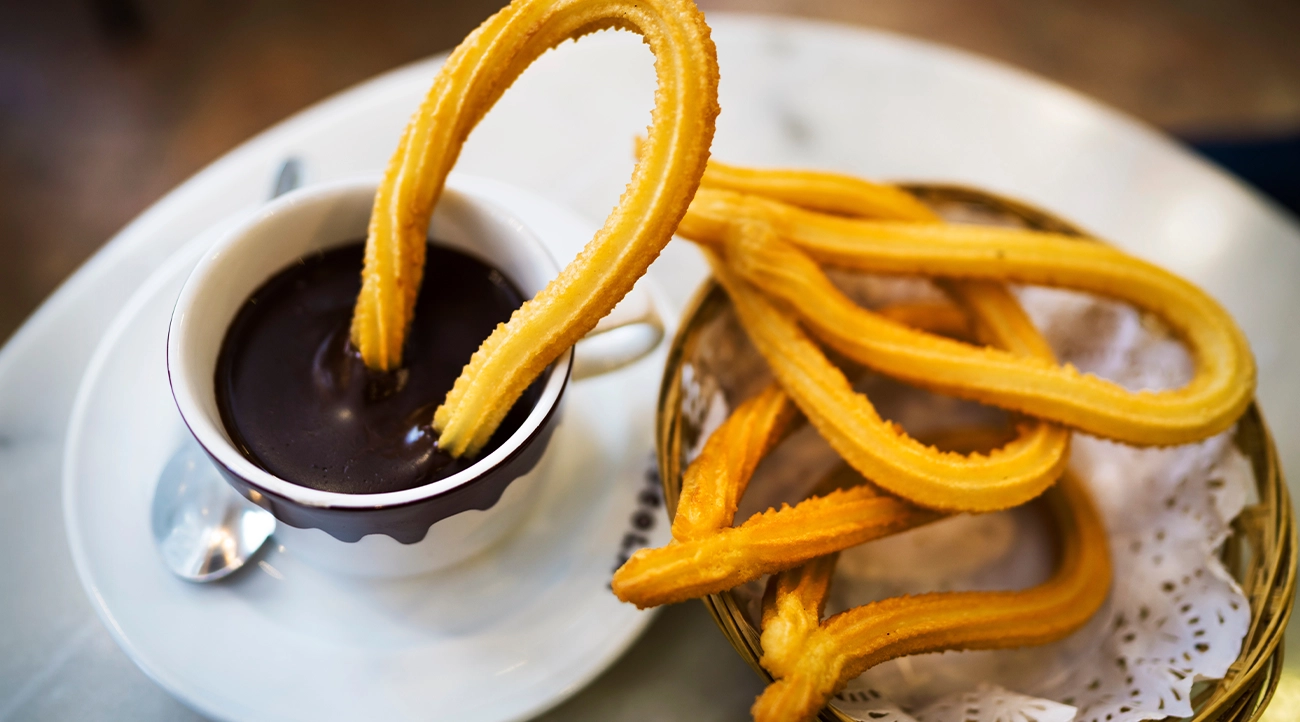
Churros con chocolate
Crispy fried dough batons dipped into velvety, bittersweet hot chocolate, often crowned with whipped dairy cream.
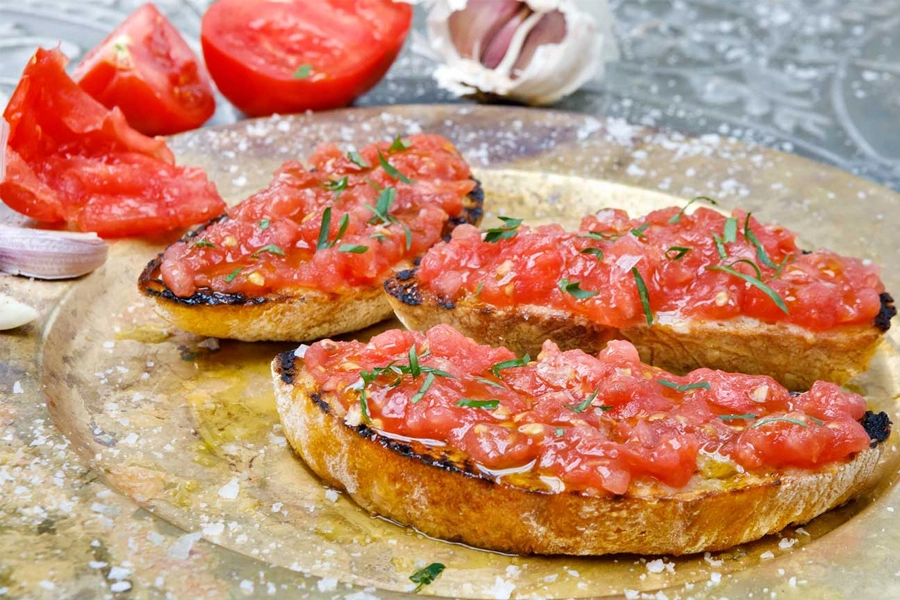
Pa amb tomàquet
Crusty toasted country bread rubbed with raw garlic and ripe hanging tomato, drizzled with virgin olive oil.
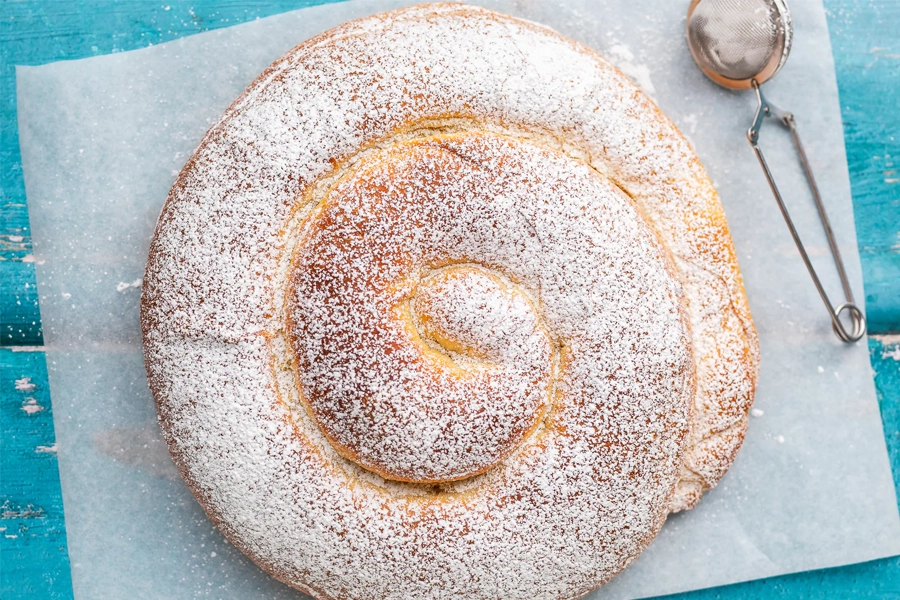
Ensaïmada
Spiral-shaped Balearic yeast pastry dusted with powdered sugar, offering a light, flaky texture made with pork lard.
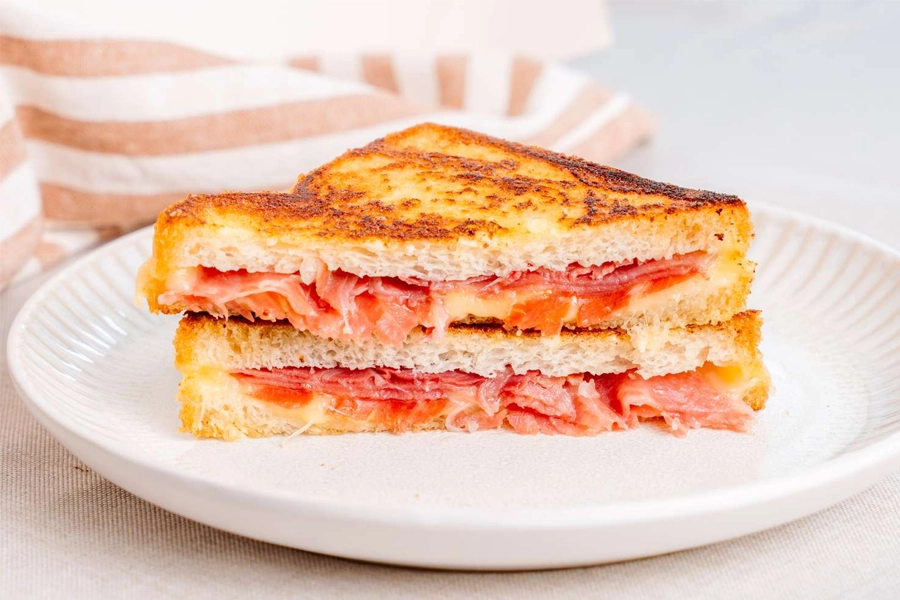
Bikini
Classic pressed sandwich filled with mild melted cheese and sweet boiled ham, served warm and crispy on white bread.
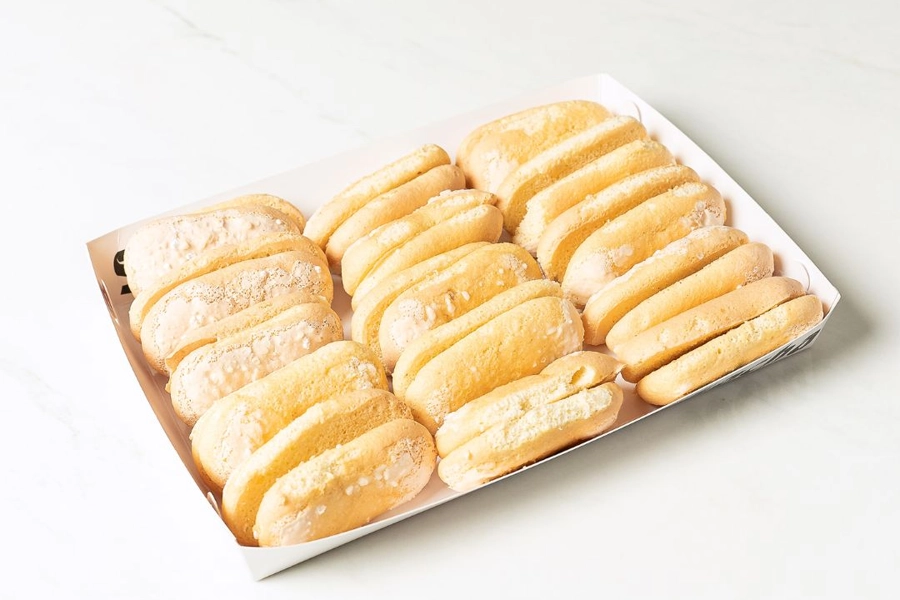
Melindros
Delicate, airy ladyfinger sponge biscuits designed specifically for dipping into steaming cups of rich artisan drinking chocolate.
Tapas
Evening traditions in Barcelona celebrate shared culinary heritage. Friends gather around bustling marble counters for savory bite-sized classics.

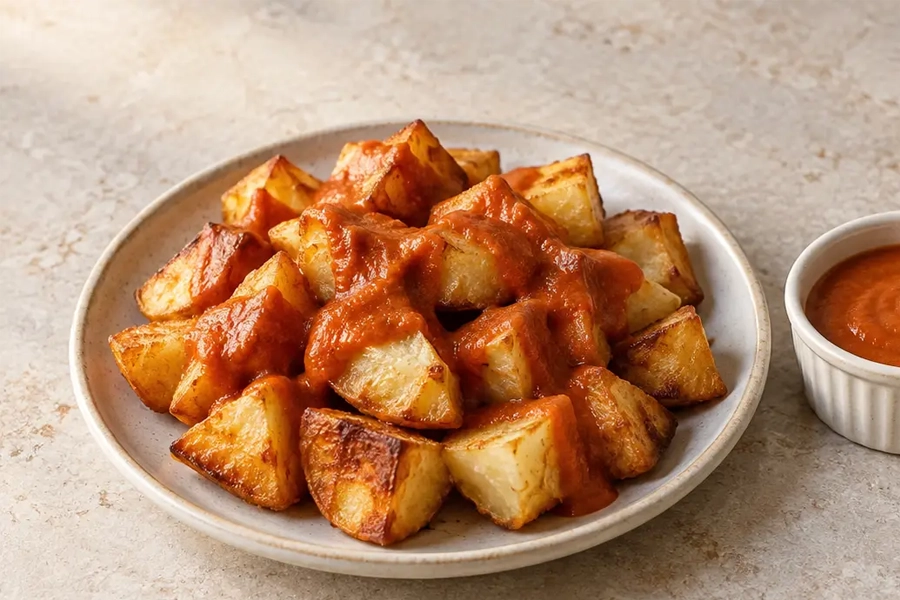
Patatas bravas
Crisp fried potato cubes topped with spicy chili sauce and garlic alioli.
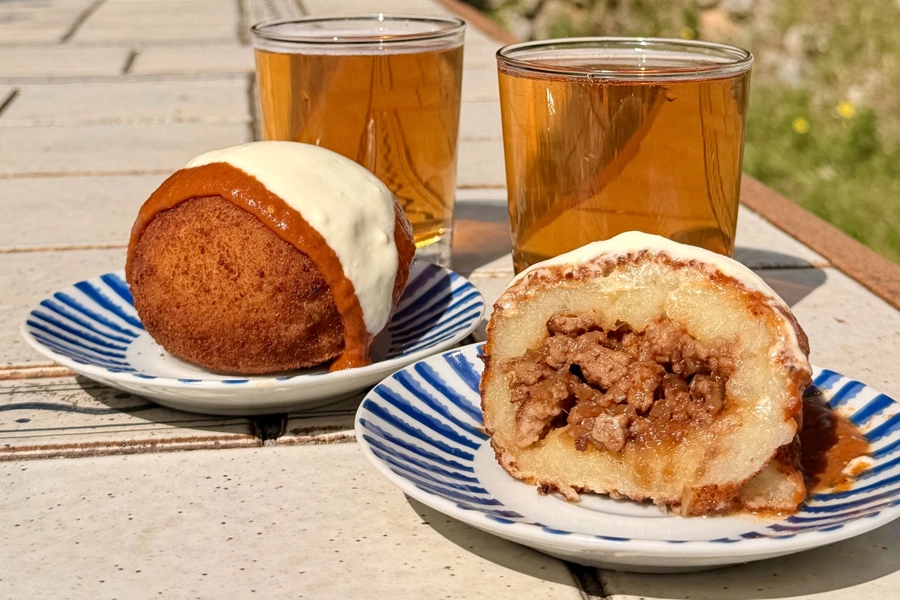
Bomba de la Barceloneta
Crispy fried mashed potato ball stuffed with spiced minced meat.
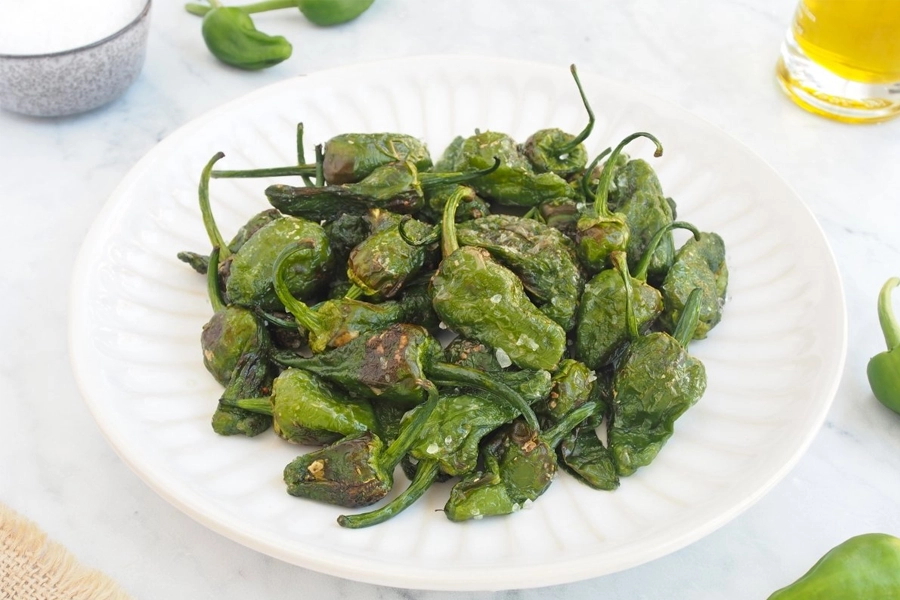
Pimientos de Padrón
Pan-blistered green peppers sprinkled with coarse Mediterranean sea salt flakes.
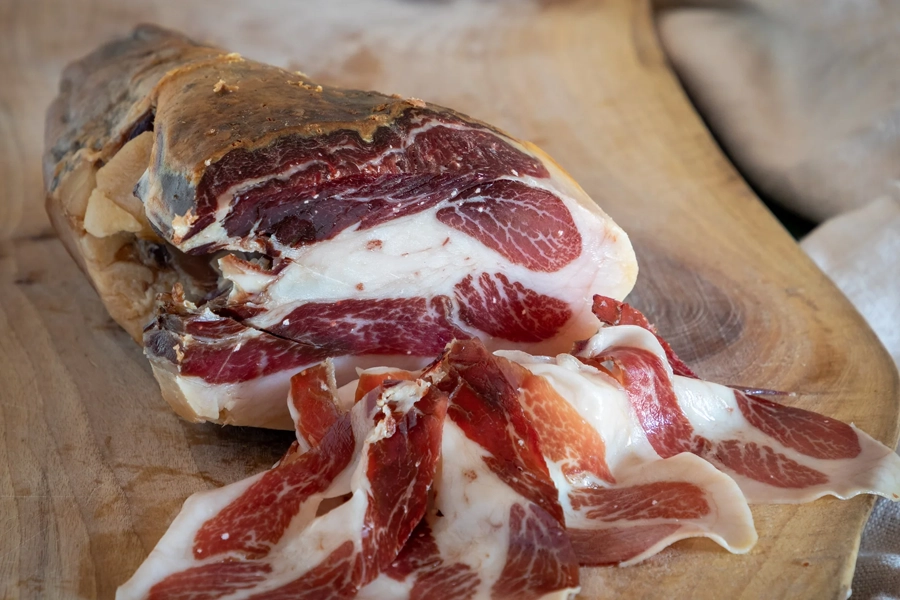
Jamón ibérico de bellota
Acorn-fed cured ham sliced thin, offering a savory, melting texture.
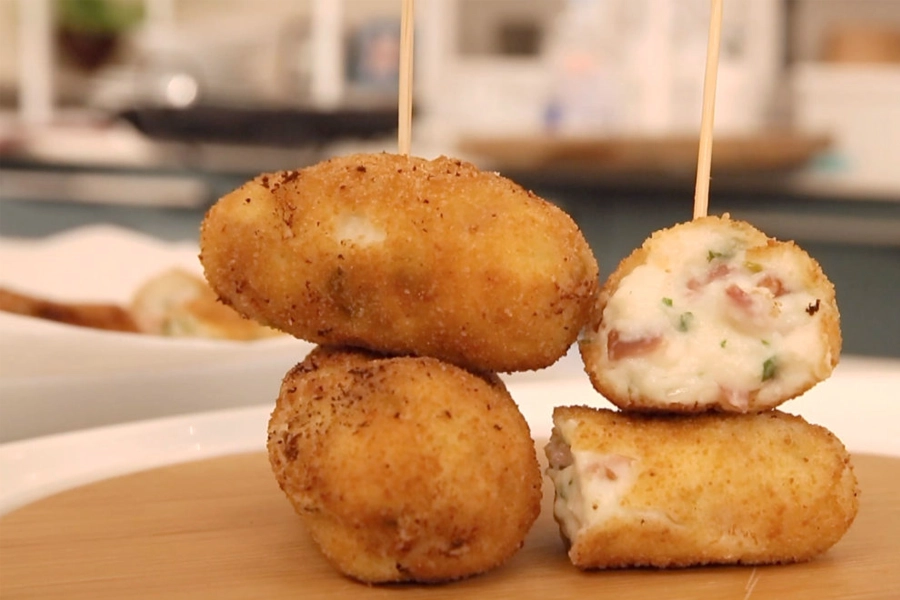
Croquetas de jamón
Golden breaded fritters filled with silky bechamel and savory cured ham.
Main course
Midday meals center on slow-cooked comfort, maritime catches, and rich broths. These recipes celebrate the Mediterranean coast alongside inland agricultural traditions through bubbling pans, toasted noodles, and hearty winter pasta.

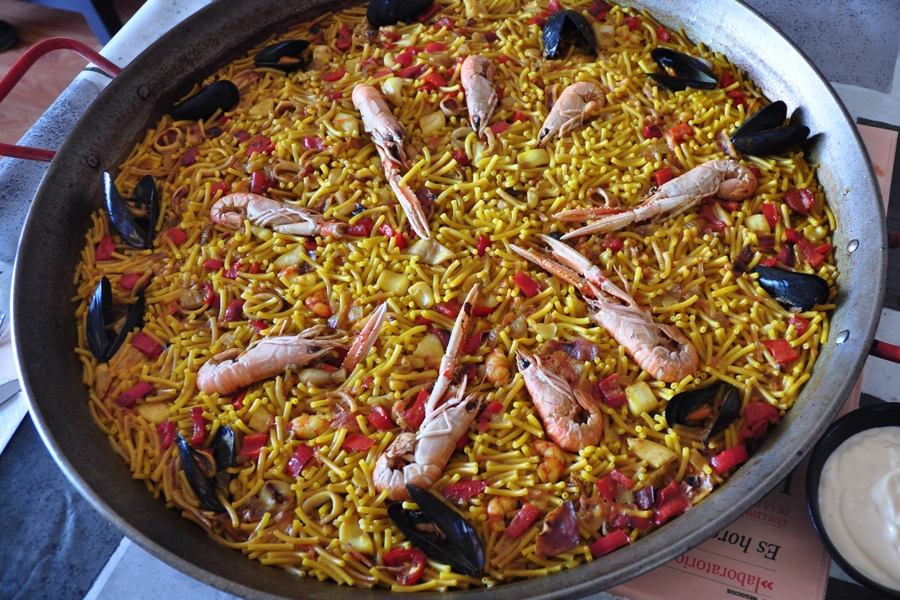
Fideuà
Thin toasted durum noodles simmered in rich seafood stock with cuttlefish, served with garlicky mortar-made alioli.
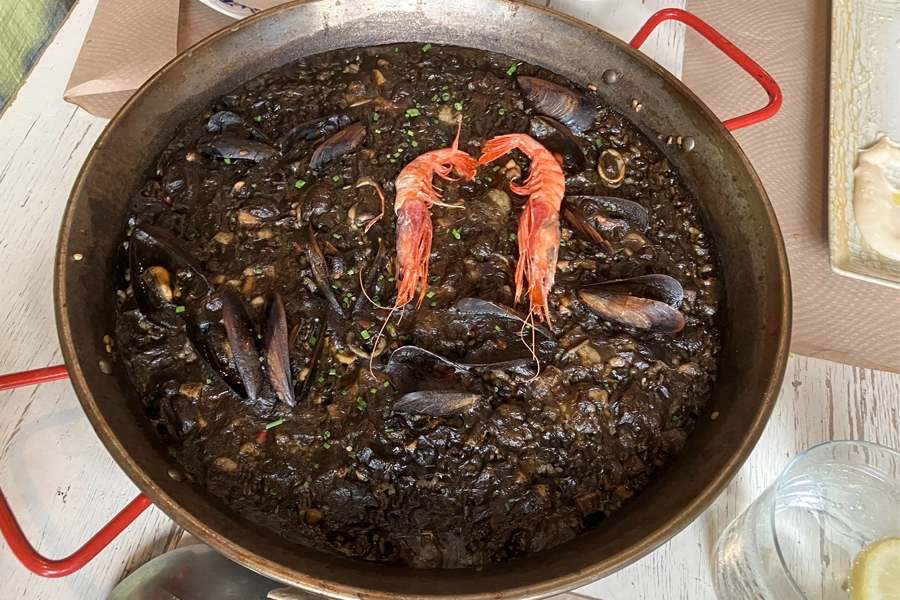
Arroz negro
Savory short-grain rice cooked in cuttlefish ink broth with squid and shellfish, creating an intense maritime flavor.
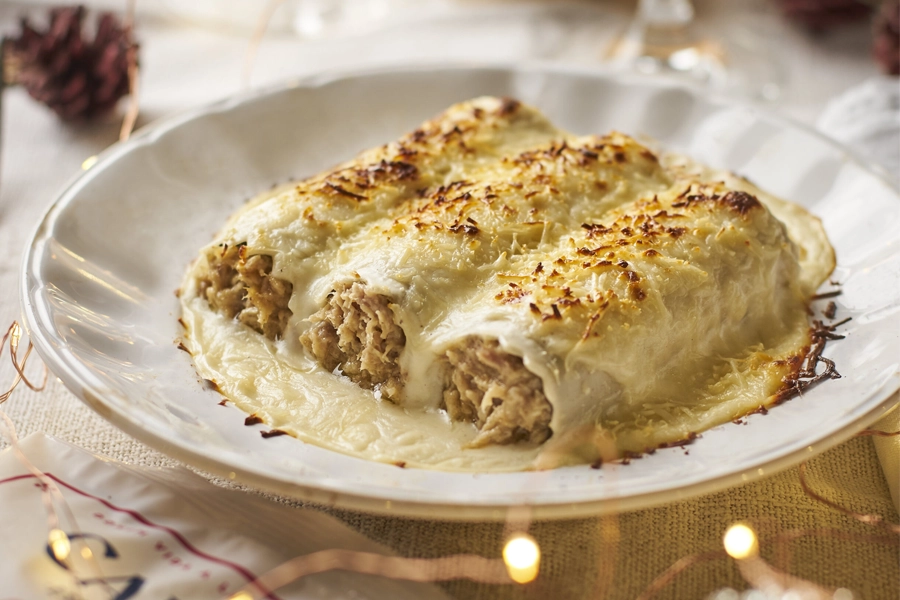
Canelons tradicionals
Roasted meat-filled pasta tubes baked under golden béchamel sauce, traditionally prepared using holiday stew leftovers.
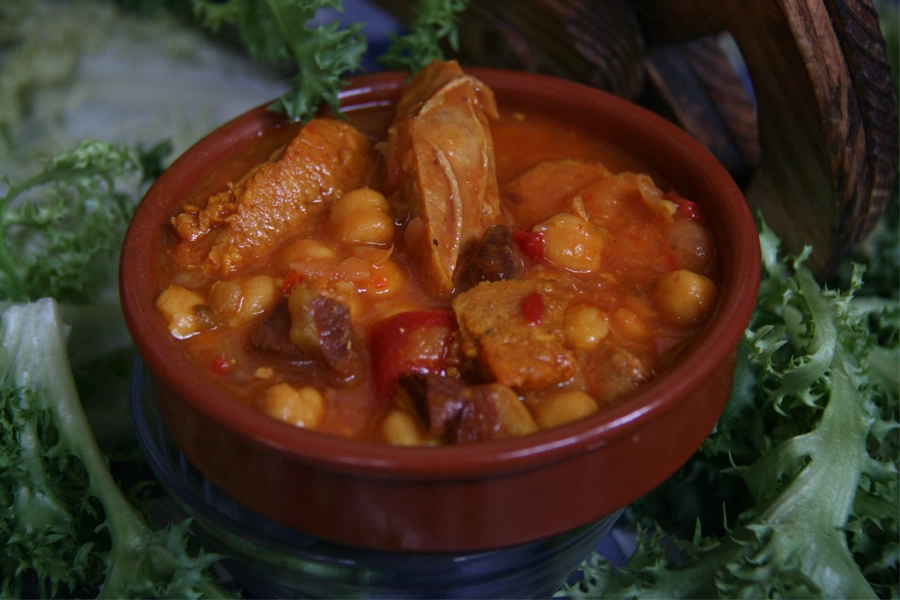
Escudella i carn d'olla
Comforting two-course winter stew featuring rich bone broth with large pasta shells, followed by boiled meats and vegetables.
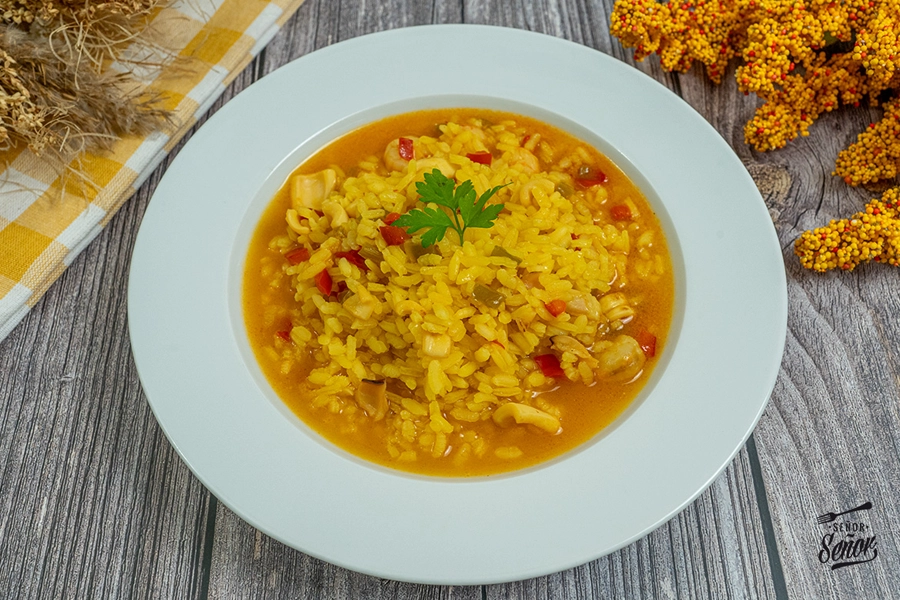
Arròs caldoso
Brothy rice simmered in clay pots with local lobster or rockfish, highlighting deep Mediterranean seafood reductions.
Second course
Catalan second courses showcase the distinct philosophy of combining land and sea on a single plate. Earthy mountain meats, seasonal forest foraging, and coastal catches come together through aromatic pestos and slow braising.

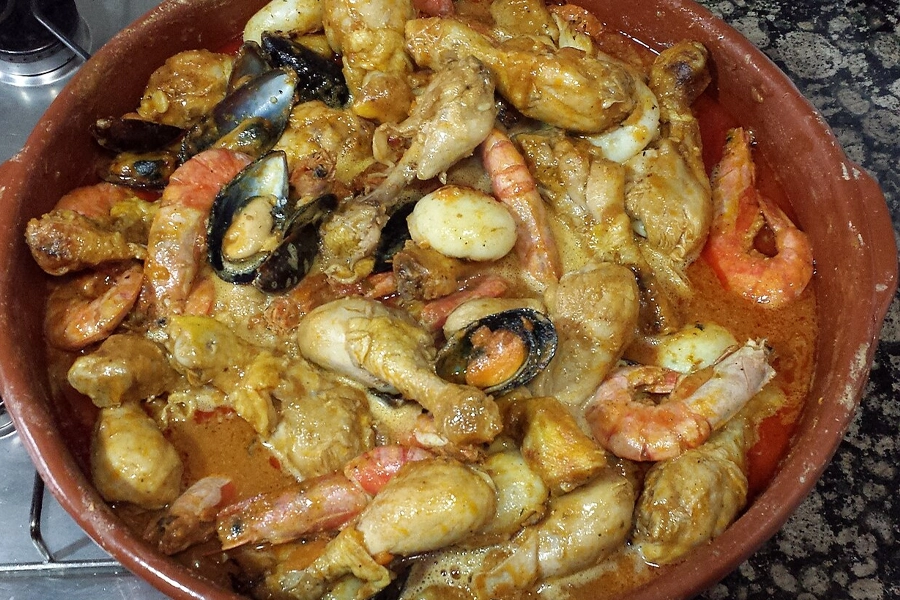
Mar i muntanya
Quintessential regional pairing uniting tender chicken or meatballs with succulent prawns, simmered in savory nut picada sauce.
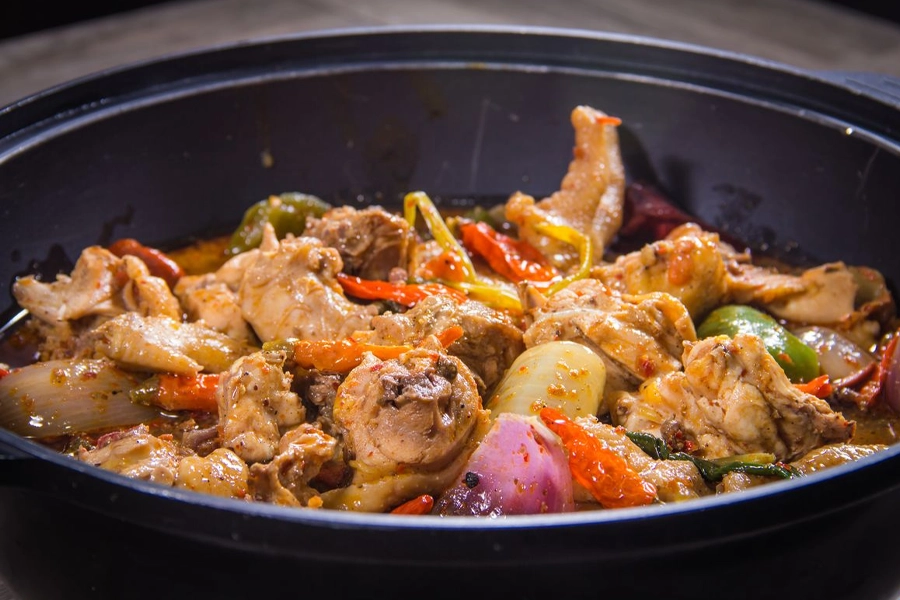
Fricandó
Thinly sliced tender veal braised in wild mushroom gravy with white wine, garlic, and toasted almond paste.
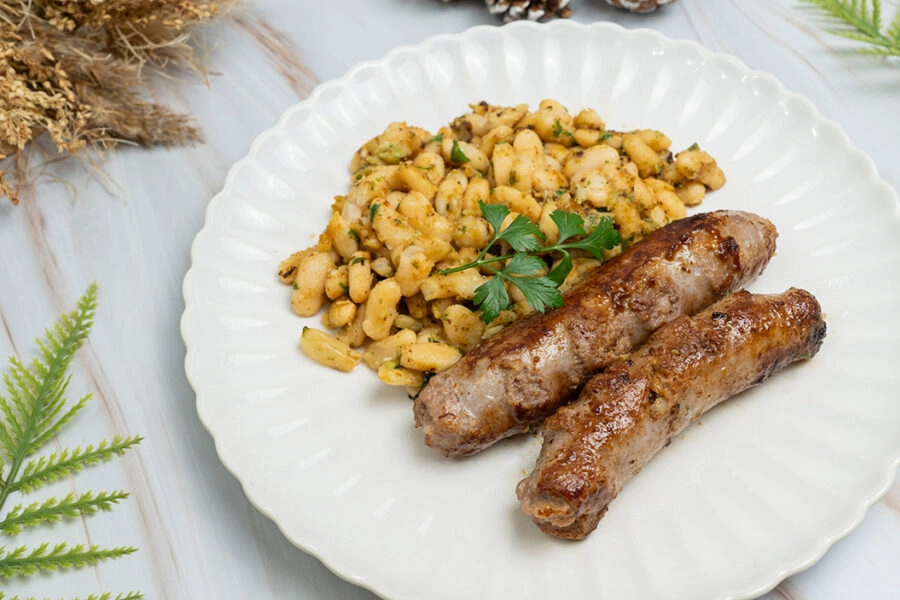
Butifarra amb mongetes
Grilled peppery pork sausage served alongside creamy sauteed white Ganxet beans tossed in pork drippings and parsley.
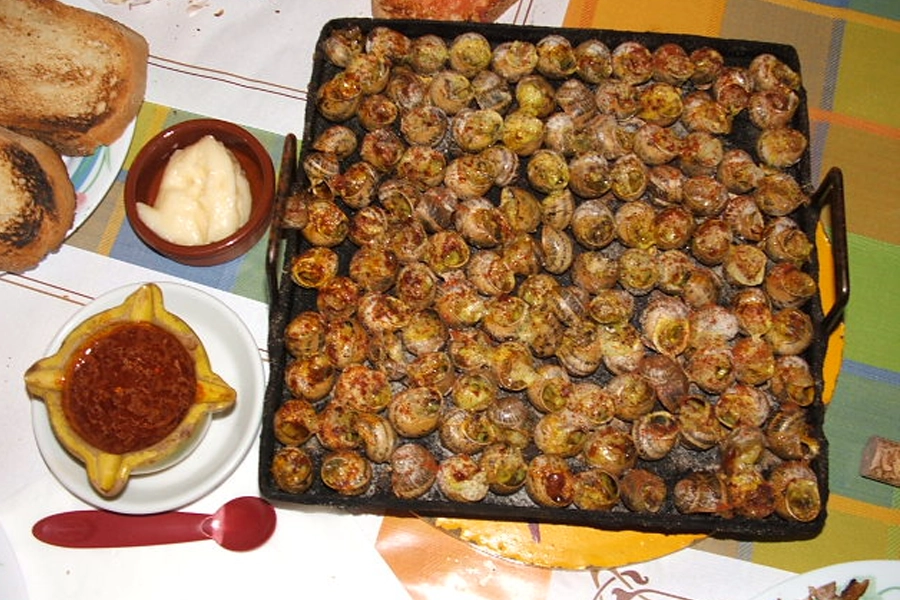
Cargols a la llauna
Whole land snails oven-roasted on metal trays with coarse salt, lard, and herbs, dipped in spicy alioli.
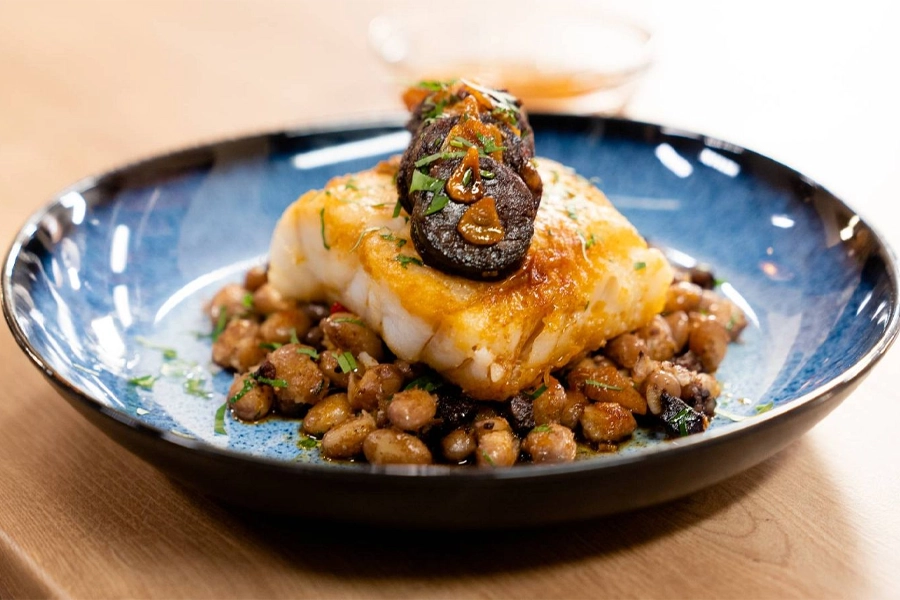
Bacallà a la llauna
Salt cod fillets pan-seared with sweet paprika, garlic slivers, parsley, and tender white beans.
Dessert and pastry
Sweet endings highlight Catalonia’s ancient dairy traditions, citrus orchards, and monastery baking heritage. Desserts range from burnt-sugar custards to simple mountain cheeses drizzled with regional honey.

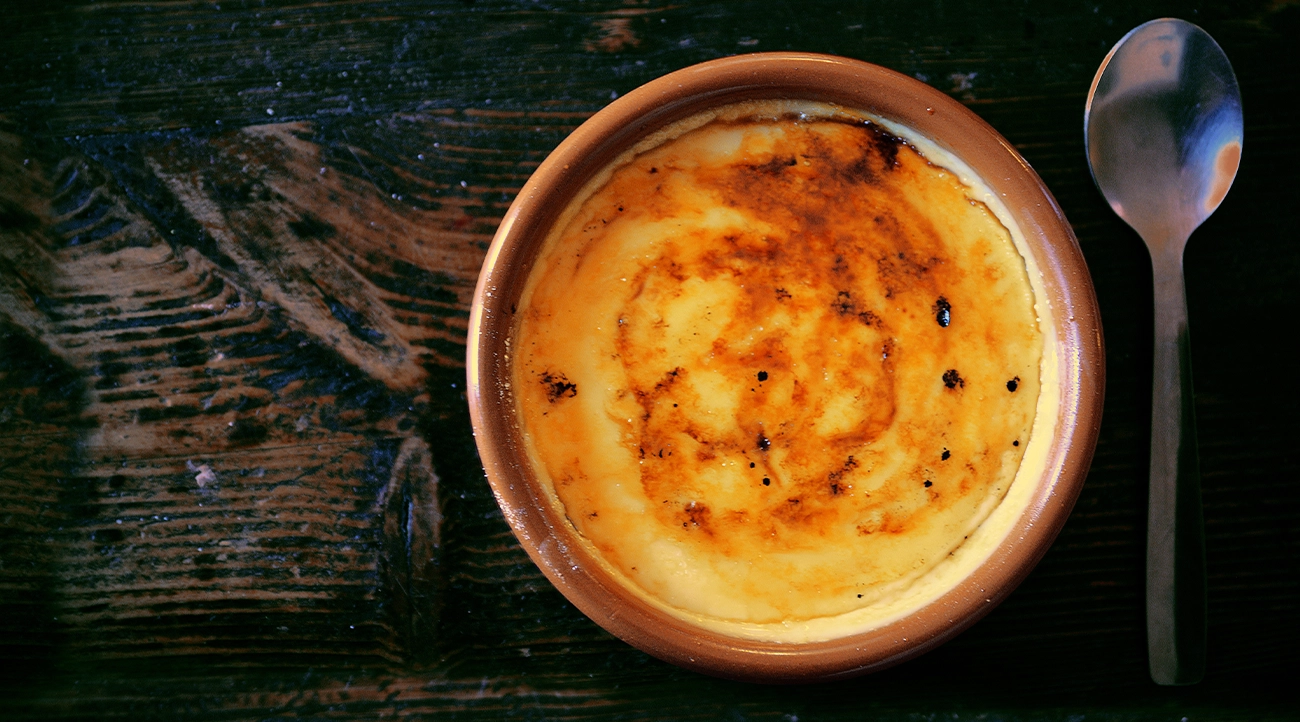
Crema catalana
Silky milk custard infused with lemon peel and cinnamon, sealed beneath a crackling layer of caramelized sugar.
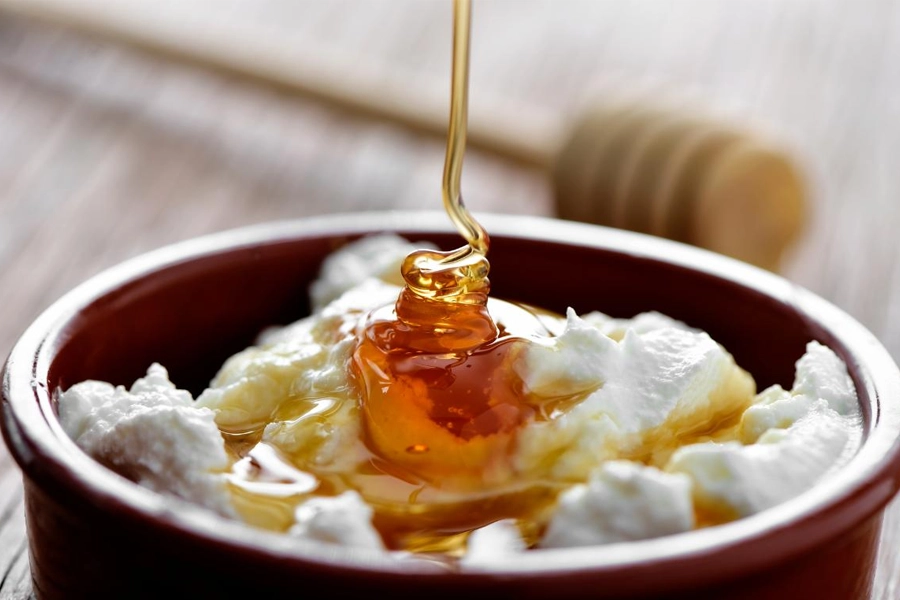
Mel i mató
Fresh unsalted goat or cow curd cheese drizzled with sweet wildflower mountain honey and crunchy toasted walnuts.
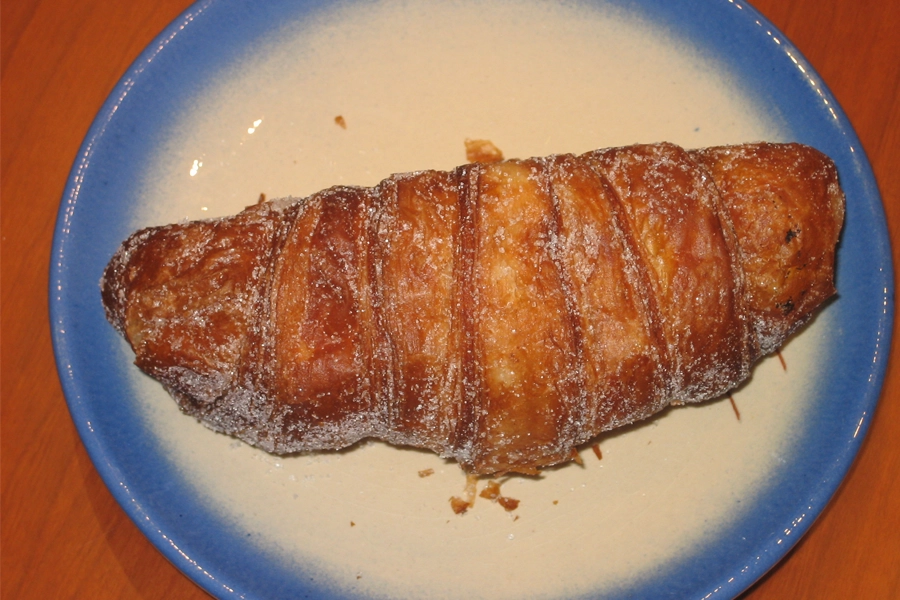
Xuixo
Deep-fried sugar-dusted laminated pastry cylinder filled with silky vanilla pastry cream, originating from nearby Girona.
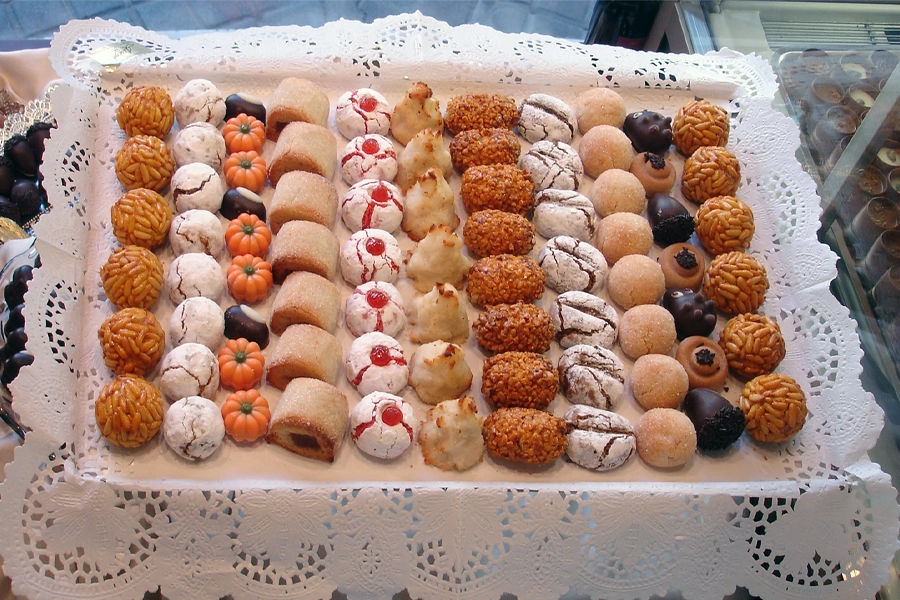
Panellets
Small marzipan sweets made from almond flour and sweet potato, rolled in pine nuts for autumn celebrations.
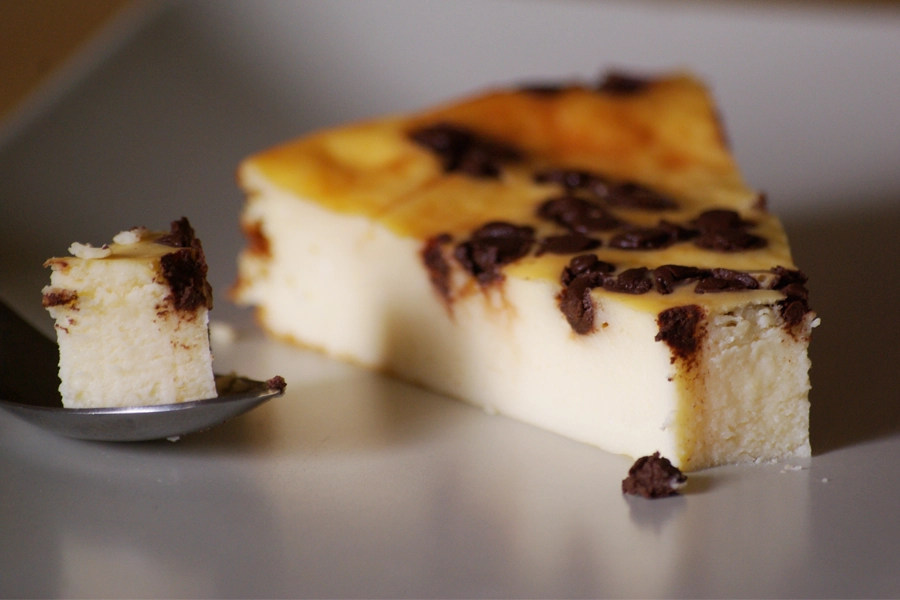
Pastís de formatge
Basque-Catalan style baked cheesecake with a deeply caramelized exterior and a rich, creamy, molten center.
Culinary activities in Barcelona
Deepen your connection with local gastronomy through guided municipal market walks, hands-on paella cooking classes, or sommelier-led Catalan wine and cheese tastings.
Must-try traditional dishes in Barcelona
Iconic local establishments where traditional Catalan recipes, historic heritage, and time-tested culinary techniques shine.
La Cova Fumada
Legendary birthplace of the spicy potato bomba, serving griddled sardines, fresh squid, and artichokes in Barceloneta.
Can Solé
Historic maritime dining house operating since 1903, revered for rich seafood fideuà, arroz caldoso, and braised rockfish.
Can Punyetes
Rustic tavern celebrated for wood-grilled butifarra sausages, toasted country bread, and tender escalivada with anchovies.
Granja M. Viader
Heritage dairy shop founded in 1870, famous for handcrafted crema catalana, dipping hot chocolate, and fresh artisan pastries.
Eat near Mercat de Santa Caterina
Mercat de Santa Caterina stands beneath its famous undulating multicolored ceramic tile roof right in the center of the old town. Renowned for its lively produce stalls and neighborhood bustle, this historic market is surrounded by traditional tapas bars and family kitchens.
Dining here offers a direct taste of seasonal Catalan produce, where market-fresh ingredients transform into sizzling small plates within minutes of purchase.
Cuines de Santa Caterina
Airy dining hall directly inside the market complex featuring open preparation bars serving fresh seafood, tapas, and Mediterranean stews.
Bar Joan
Unpretentious market counter favored by stallholders, serving generous portions of grilled squid, butifarra sausage, and homemade stews.
Typical costs for tasting local specialties
Sampling traditional Catalan dishes across Barcelona is accessible across various price brackets, from affordable counter tapas to full multicourse meals.
| Specialty course | Estimated price |
|---|---|
| Portion of pa amb tomàquet (crusty tomato bread) | 3.00–4.50 € |
| Single bomba de la Barceloneta or homemade croquette | 2.50–4.50 € |
| Warm escalivada salad with cured Cantabrian anchovies | 8–13 € |
| Full skillet of seafood fideuà or arroz negro per person | 18–26 € |
| Traditional Catalan dessert (crema catalana or mel i mató) | From 5.50 € |
Choosing the area
- Barceloneta alleys for maritime rice and bombs.
- Santa Caterina stalls for market-fresh seasonal vegetables.
- Old quarter bodegas for rustic cured charcuterie.
- Gràcia plazas for comforting mountain stews.
Choosing the venue
- Rub the garlic and fresh tomato yourself on warm bread.
- Always spoon generous alioli onto your warm fideuà noodles.
- Sample calçots with nutty romesco during winter months.
- Pair rich stews with earthy red Priorat wines.
Pair your meal with these suggestions
FAQ - Frequently Asked Questions
What is included in a traditional menú del día?
Toasted rustic bread is rubbed gently with raw garlic, rubbed with a halved ripe tomàquet de penjar (hanging tomato), seasoned with sea salt, and finished with extra virgin olive oil.
What is the origin of the bomba de la Barceloneta?
Created in the mid-twentieth century at La Cova Fumada, it was named after the anarchist bombs used during local revolutionary periods, reflecting its explosive spicy sauce.
How does Catalan fideuà differ from standard Spanish paella?
Fideuà uses short hollow durum wheat noodles instead of bomba rice, cooked in intensely concentrated seafood broth until the noodle tips stand upright in the pan.
What is mel i mató and why is it popular?
Mel i mató is an ancient, simple Catalan dessert consisting of fresh unsalted cow or goat curd cheese drizzled with sweet mountain honey and sprinkled with walnuts.
Can I try calçots throughout the entire year in Barcelona?
No, sweet calçot onions are strictly seasonal winter produce available only from late November through late March, celebrated during communal countryside barbecue feasts called calçotades.
What is the difference between Spanish tortilla and Catalan omelets?
While Spanish tortillas feature potatoes and onions, traditional Catalan omelets frequently incorporate seasonal greens like wild asparagus, tender fava beans, or butifarra sausage.