Echoes of oak and siphon bottles
Before polished cocktail lounges and stainless steel dining bars arrived, the social pulse of Barcelona beat firmly inside its neighborhood bodegas. Initially built as rustic bulk wine depots (bodegas de barri) where laborers filled glass flagons straight from oak barrels, these venues grew into beloved community living rooms.
Walking across their worn checkerboard tile floors surrounds you with the vinegar aroma of pickled skewers, cured ham hanging overhead, and brass taps splashing cold red vermouth over ice cubes.
☰ Table of content
Best neighborhoods for historic Bodega crawls
Seek out authentic oak-cask taverns in these working-class districts where local heritage remains strong.
Poble-sec Foot-Slopes
Foothill quarter packed with steep lanes hosting century-old wine shops and lively curbside counters.
Sants Village Core
Authentic residential grid brimming with unpretentious family taverns, cured ham bars, and bulk wine dispensaries.
Barceloneta Fisher Grid
Here you'll find salty alleyways sheltering maritime bodegas serving pickled seafood, draft beer, and cold white wine.
Sant Antoni Borders
Historic market boundary featuring beautifully restored 19th-century taverns pouring artisan draft vermouth and cider.
Bodega Experiences in Barcelona
Wander with local historians through century-old cellar vaults, learn the secrets of artisan vermouth blending, or take part in guided canned-delicacy tastings.
Top Historic Taverns and Bodegas in Barcelona
Time-tested addresses where antique wooden furnishings, vintage siphons, and honest hospitality remain timeless.
Quimet & Quimet
Standing-room-only icon packed with dusty wine bottles, revered worldwide for gourmet montaditos topped with salmon, truffle honey, and caviar.
Bodega E. Marín
Operating since 1916 on Carrer de Milà i Fontanals, famous for homemade crispy croquettes, empanadas, and vermouth poured from wooden casks.
Bodega Montferry
Nostalgic neighborhood institution celebrated for inventive daily hot sandwiches, crispy cod fritters, and friendly tavern atmosphere.
Bodega L'Entresòl
Charming hideaway lined with vintage radios and ceramic jugs, serving cured cheeses, cured tuna loin, and chilled house wines.
Drink Near Plaça del Sortidor
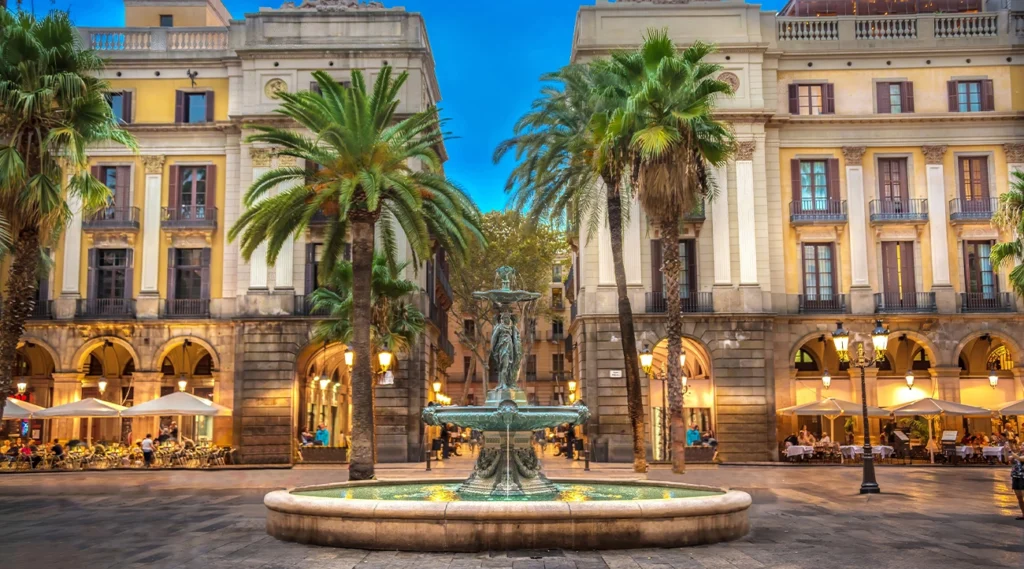
Plaça del Sortidor rests in the beating core of lower Poble-sec, shaded by leafy plane trees and surrounded by pastel townhouse facades. Long favored by theatrical artists and port workers, this pleasant square stands removed from the heavy crowds of Carrer de Blai.
Slipping into the alleys framing the plaza reveals historic timber-paneled taverns where patrons sip sweet red vermouth on wooden benches while enjoying classic cured tapas.
Celler Cal Marino
Former oil press converted into a lively wine temple, renowned for artisanal cheeses, homemade croquettes, and expansive cellar selections.
Bar Seco
Eco-conscious neighborhood bistro at the base of Montjuïc, offering organic vermouth, local craft beers, and seasonal small plates.
What will you spend on bodega crawls
Visiting traditional taverns remains one of the most cost-effective culinary adventures in the city, thanks to low markups on cask beverages and canned goods.
| Tavern staple | Typical pricing |
|---|---|
| Glass of house draft vermouth with olive and orange | 2.20–3.80 € |
| Classic gilda skewer (olive, pickled pepper, and anchovy) | 1.80–3.00 € |
| Artisan warm sandwich or stuffed daily empanada | 4.50–7.50 € |
| Premium tinned shellfish (clams, cockles, or mussels) | 6.50–14.00 € |
| Lavish aperitif banquet with multiple montaditos and drinks | From 20 € |
Choosing the area
- Poble-sec slopes for packed standing room aperitifs.
- Sants alleys for rustic neighborhood regulars.
- Gràcia lanes for community-focused wine heritage.
- Sant Andreu for tranquil vintage time capsules.
Choosing the venue
- Order your vermouth with a classic splash of soda.
- Embrace gourmet tinned seafood as a genuine luxury.
- Be ready to stand shoulder-to-shoulder at the bar.
- Keep track of what you drink for the barkeep.
What to do more then Bodegas
FAQ - Frequently Asked Questions
What exactly defines a traditional bodega in Barcelona?
Historically, a bodega was a licensed neighborhood shop selling bulk wine, vinegar, and spirits out of massive oak barrels, later evolving into casual tapas taverns.
What does hacer el vermut signify in Catalan daily life?
It refers to the cherished weekend custom of meeting friends between 12:30 and 14:30 for a glass of sweet herbal vermouth, potato chips, and pickled appetizers.
Why are tinned fish and seafood (conservas) prized in these venues?
In Spain, tinned razor clams, mussels, and cockles represent gourmet, high-grade preservation of ocean harvests rather than cheap pantry staples.
Can I purchase wine to take home in my own bottle?
Many surviving neighborhood bodegas still maintain their bulk licenses, allowing you to fill plastic jugs or glass demijohns directly from wooden casks.
What is the correct way to drink vermouth here?
Locals drink sweet red vermouth on the rocks, garnished with a green olive and a wedge of orange, often topped with a squirt of seltzer from a vintage glass siphon.
Do historic bodegas accept credit cards or do they prefer cash?
While central venues like Quimet & Quimet accept cards, smaller neighborhood bodegas in Sants or Sant Andreu frequently prefer small euro bills or cash for small tabs.
Where to have a wine tasting?
Wine tastings are available all around the city (and beyond) and we collected, in our article, the best experiences of wine tours.