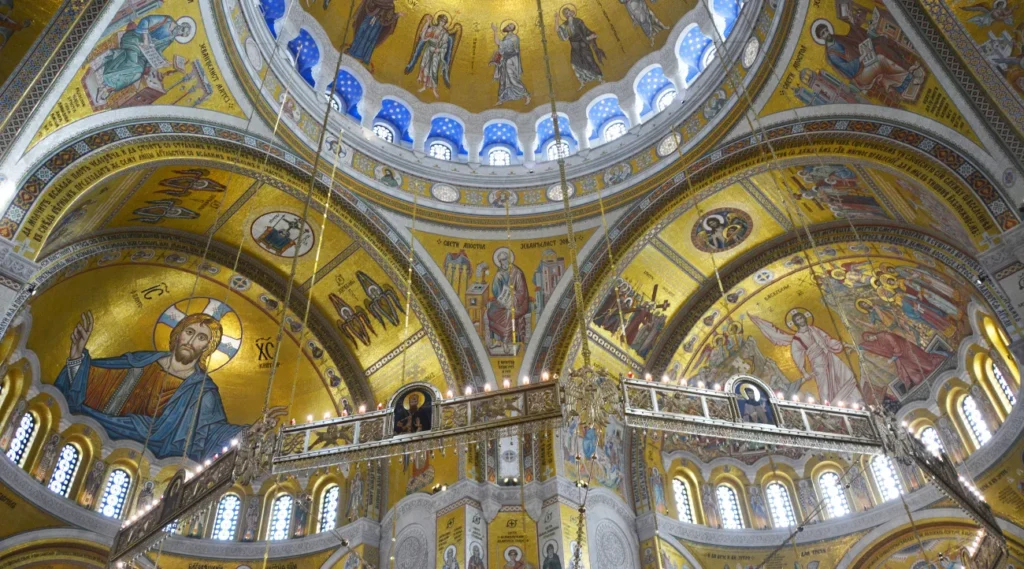
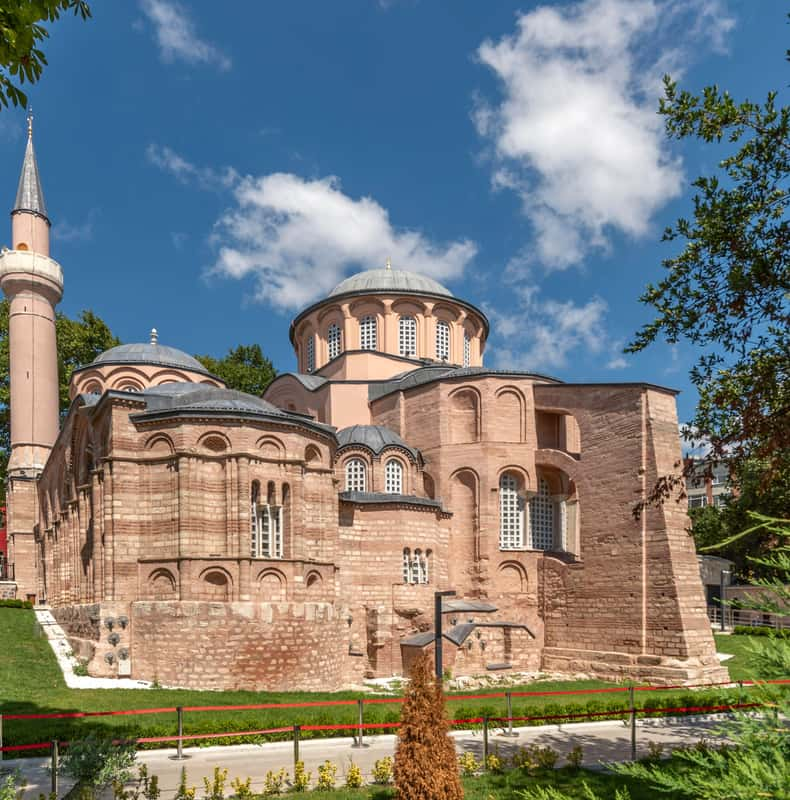
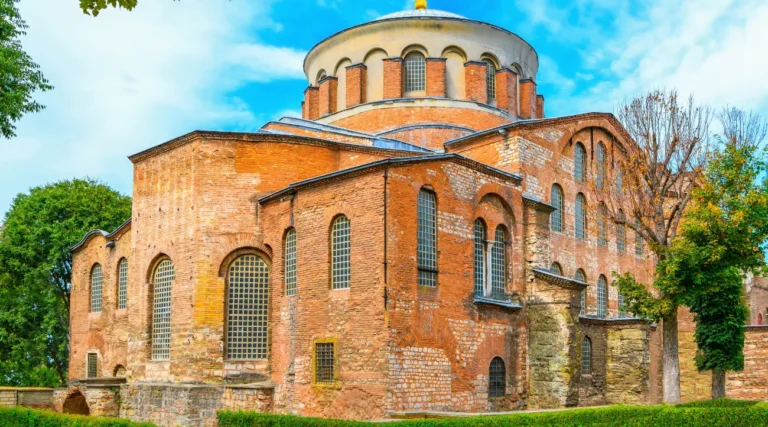
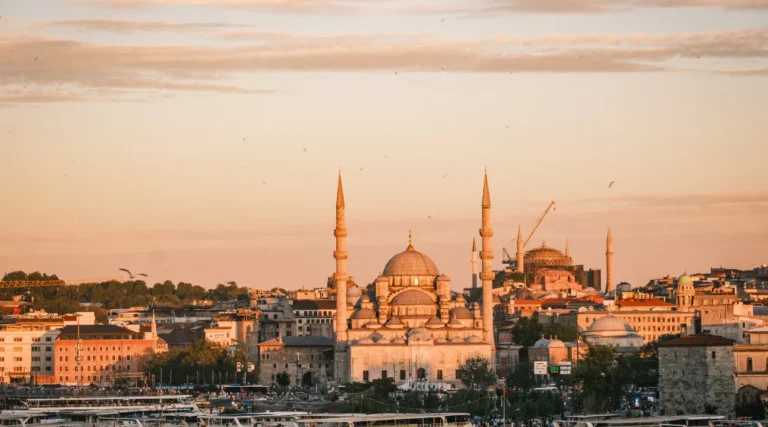
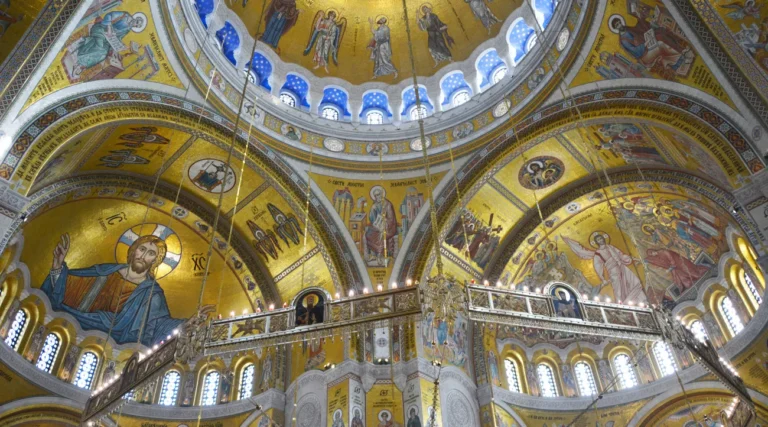
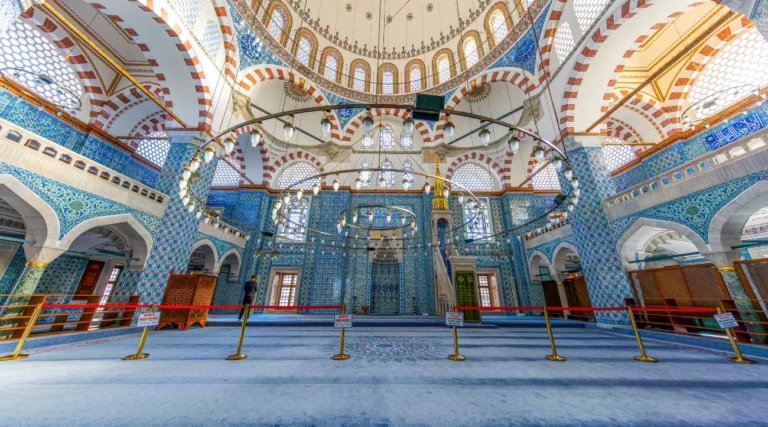
The Chora Church, today the Kariye Mosque, holds the finest Byzantine mosaics and frescoes in Istanbul. Most of the decoration dates from the early 14th century, when the statesman Theodore Metochites rebuilt the church and covered its corridors and side chapel with scenes from the lives of Christ and the Virgin.
After a long restoration the building reopened in 2024 as a working mosque. Foreign visitors follow a dedicated route through the narthexes, where almost every surface shines with gold.
Chora Church opening hours and admission
The visitor route is open from 09:00 to 18:00, but tourists are not admitted around prayer times and the route is closed on Fridays. Plan a morning visit on another weekday and check the times for your date before you go.
What to see inside the Chora Church
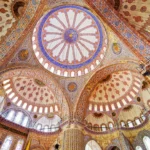
The mosaics fill the two narthexes, the corridors at the entrance, while the frescoes are in the parekklesion, the side chapel. Look up: many of the best scenes are in the domes and vaults.
Chora Church visit at a glance
A quick summary to plan your visit and choose the right time of day.
How to visit the Chora Church
Allow 45–75 minutes for the visitor route. The scenes are dense and almost without labels, so an audio guide or a guide makes a real difference. Dress modestly: shoulders and knees covered, and women cover their hair.
The options below include entry tickets, audio guides and guided walks that combine Chora with Fener and Balat. Compare the inclusions and the meeting point before booking.
- The visitor route is closed on Fridays.
- Tourists are not admitted around prayer times.
- Cover shoulders and knees; women cover their hair.
- The spaces are small: queues can form at busy times.
- Combine Chora with a walk down to Balat and Fener.
- Bring binoculars or zoom in with your phone for the domes.
- Walk along the Theodosian Walls nearby.
- Visit early, then have lunch in Balat.
How to reach the Chora Church
Chora stands in Edirnekapı, in the north-west of the historic peninsula, a short walk from the Theodosian land walls and uphill from Balat.
A Byzantine masterpiece by the city walls
“Chora” means “in the countryside”: the first monastery here stood outside the walls of Constantine. The present church dates mainly from the eleventh and twelfth centuries, but its fame comes from the restoration ordered by Theodore Metochites, a scholar and statesman, between 1315 and 1321.
Around 1500, after the Ottoman conquest, the church was converted into a mosque. The mosaics were covered rather than destroyed, which helped them survive.
In the twentieth century the building became a museum and American restorers uncovered the decoration. In 2020 it was reconverted into a mosque and, after a long restoration, it reopened in 2024 with a visitor route through the mosaics.
Details and stories to look out for
- Metochites spent his last years as a monk at Chora and was buried here.
- The mosaics use tiny tesserae of glass and gold.
- The frescoes of the side chapel were painted for a funerary chapel.
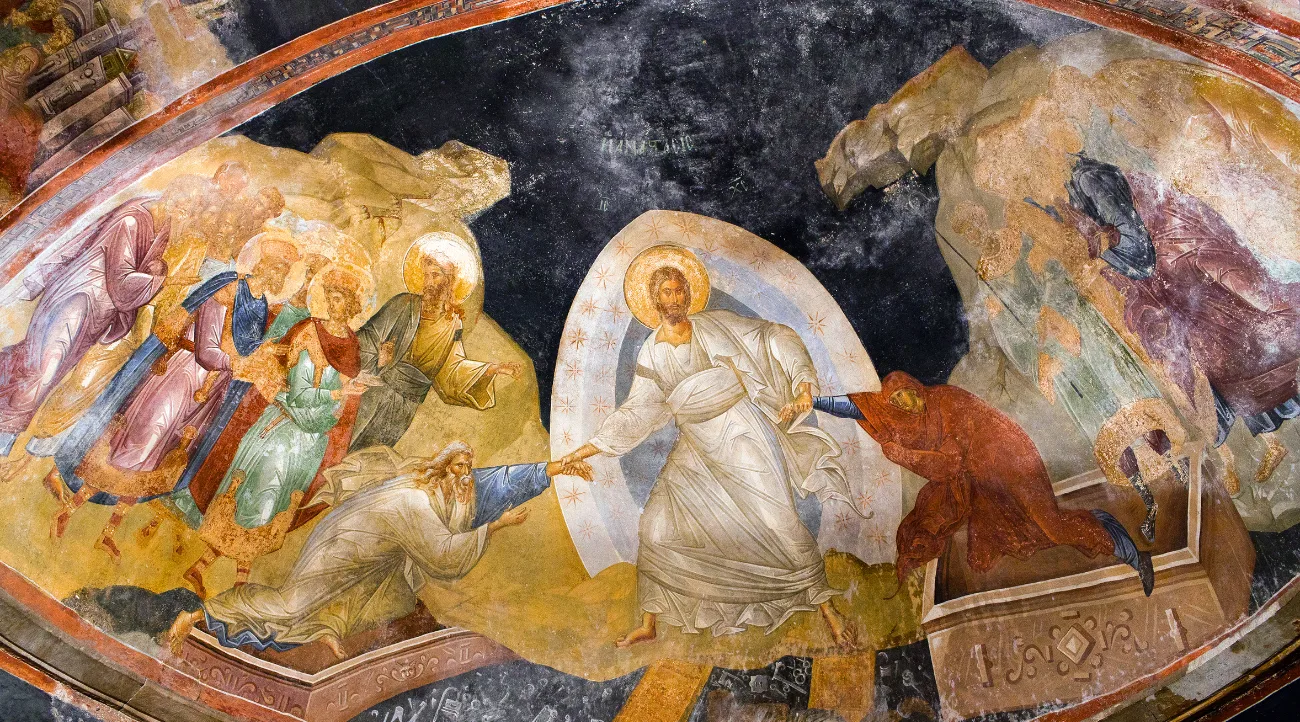
- The Anastasis shows Christ breaking the gates of Hell under his feet.
- The church stands close to the Gate of Adrianople, through which Mehmed II entered the city.
Chora tickets and walks through Fener and Balat
Find your stay near the Chora Church
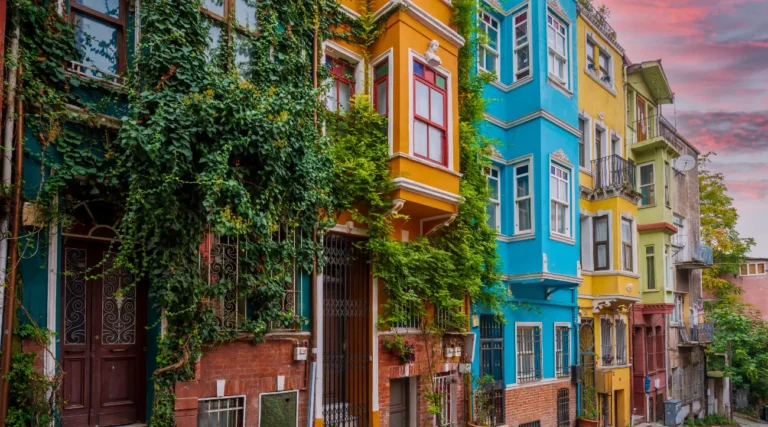
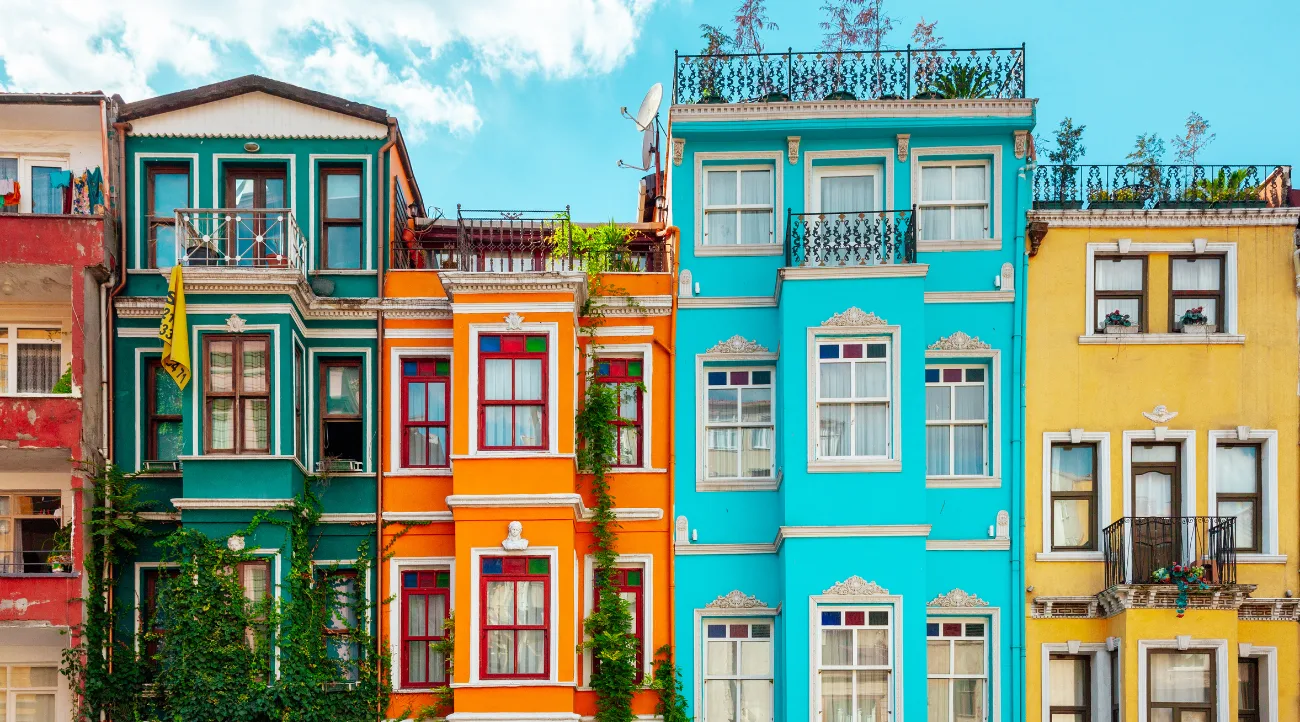
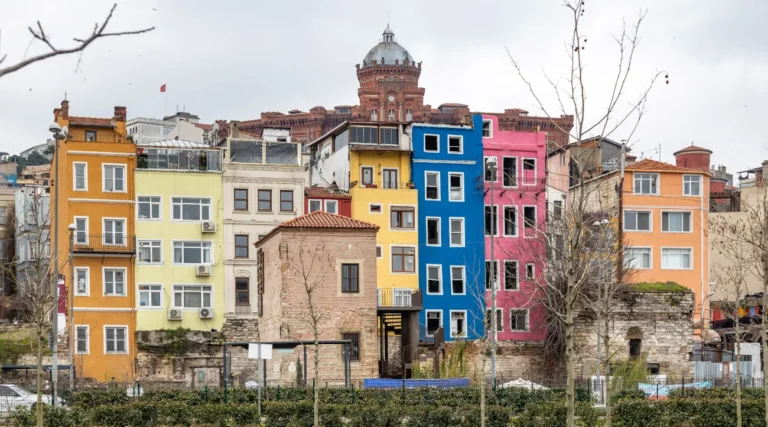
Edirnekapı and nearby Balat are local, colourful neighbourhoods far from the crowds of Sultanahmet. Choose this area for character and lower prices, and compare transport links before booking.
Frequently Asked Questions - FAQ
More activities and experiences in Istanbul