


























In short
Ramadan changes the rhythm of a Dubai visit, rather than closing the city to visitors. Plan daytime sightseeing and evening meals separately, respect worshippers, and confirm the current programme for the year you are travelling.
- Non-Muslim visitors are not required to fast.
- Iftar follows sunset; suhoor belongs to the night before dawn.
- Confirm each mosque’s visitor sessions and dress requirements.
- Use the current Ramadan programme, not last year’s event dates.
☰ Table of content
Build the day around a quieter visit and an intentional evening
A practical Ramadan day can keep an indoor visit or a shorter neighbourhood walk in daylight, then give the evening to one meal or cultural programme. Do not simply move an already packed itinerary later into the night.
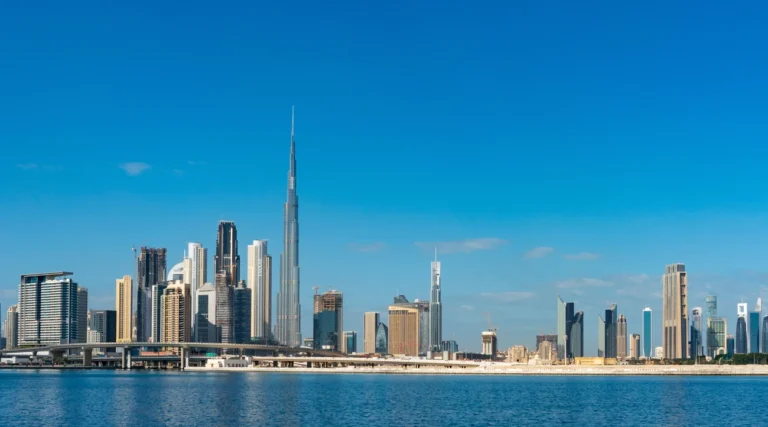
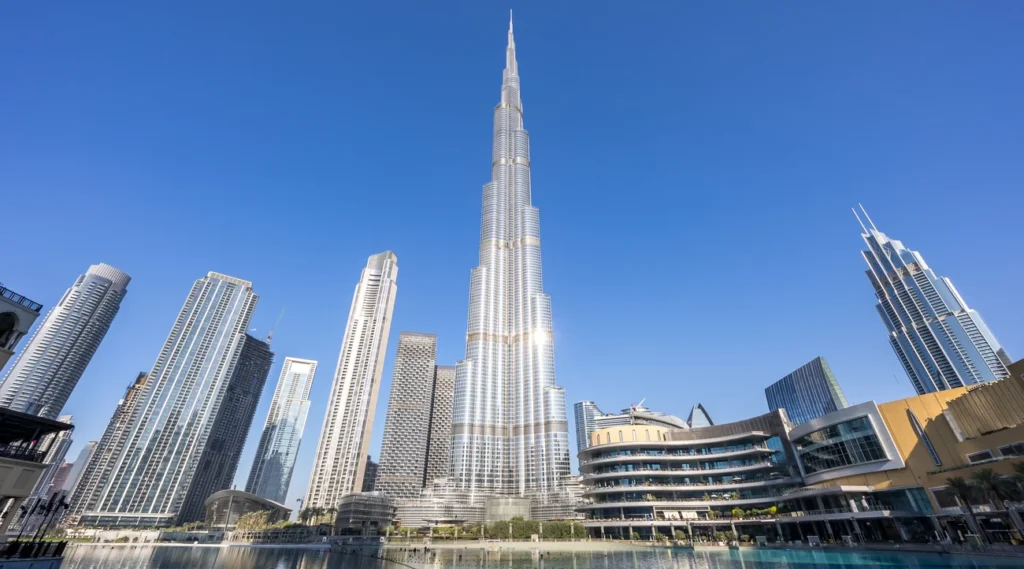
In Downtown, an attraction and a nearby dinner form one pattern; on the Creek, Al Fahidi and Al Seef form another. Choose the district of the evening booking before adding an afternoon activity far across Dubai.
Fasting
Non-Muslims are not required to fast.
Iftar
The evening meal after the daily fast.
Suhoor
A different meal before dawn.
Calendar
Check the dates and programme for your year.
| Plan | Main purpose | What to check |
|---|---|---|
| Daytime sightseeing | Museum, indoor attraction or shorter walk | Actual opening and meal break |
| Iftar | A named sunset meal or hosted programme | Seating, menu and inclusions |
| Suhoor | A later-night/pre-dawn meal | Service time and return journey |
| Mosque cultural visit | An organised visitor session | Venue, dress and booking instructions |
Daytime meals and an iftar booking are different decisions
Dubai’s official guidance says non-Muslims are not required to fast and daytime dining remains available. Be considerate around people observing the fast, and follow the arrangements of the restaurant or cultural venue you use. Distinguish an ordinary daytime restaurant meal from a specific iftar package: their menus, prices and reservation conditions need not match.
A daytime meal near the day’s route
For daytime food, identify a restaurant within the area you are visiting rather than assuming every outlet follows one schedule. A Dubai Mall stop, a City Walk visit and a Creek walk have different meal options and final journeys. Check the actual restaurant’s service times. Visitors travelling with children should resolve the meal break before committing to a long outdoor route.
An iftar reservation after sunset
Iftar is the meal that breaks the daily fast after sunset. Reserve a named restaurant, hotel tent or hosted cultural experience with clear inclusions. Ask what the quoted amount covers, whether drinks are included and how children are charged. A reservation for a particular seating is not interchangeable with arriving later for ordinary dinner or suhoor.
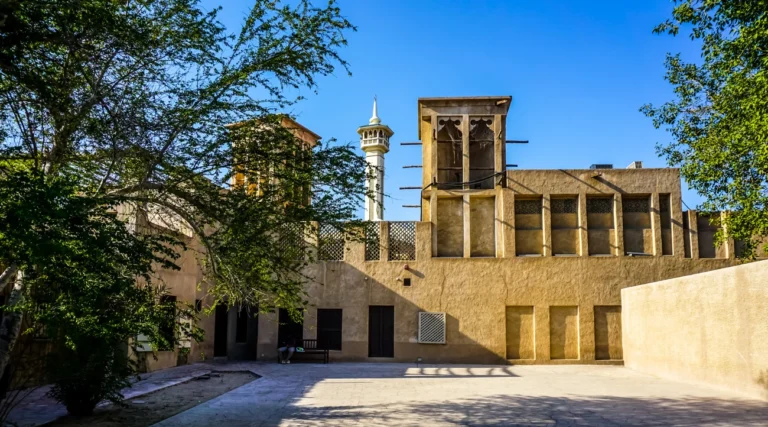
Al Fahidi and Al Seef: keep a Creek evening local
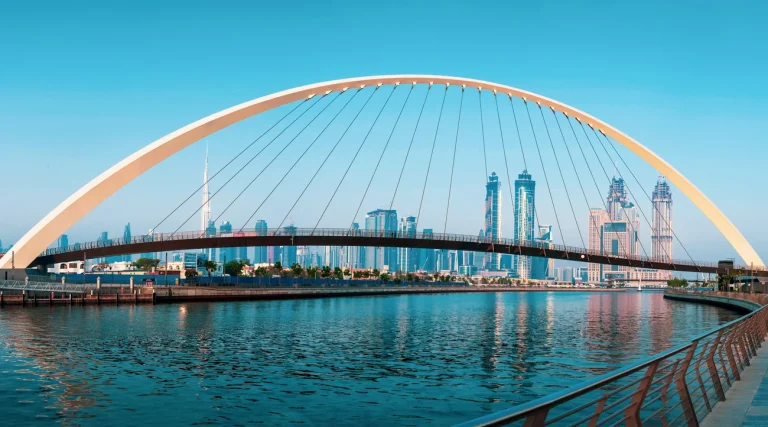
Al Fahidi and Al Seef give a Creek-focused evening a clear setting, but they are not the same development. Keep time for the walk between the places you choose and identify whether a meal is on the Bur Dubai or Deira bank.
An abra crossing has specific landings; it should serve the route rather than become an unplanned detour. A cultural meal can add context when its host and programme are clearly identified.
Mosque visits need their own visitor arrangements
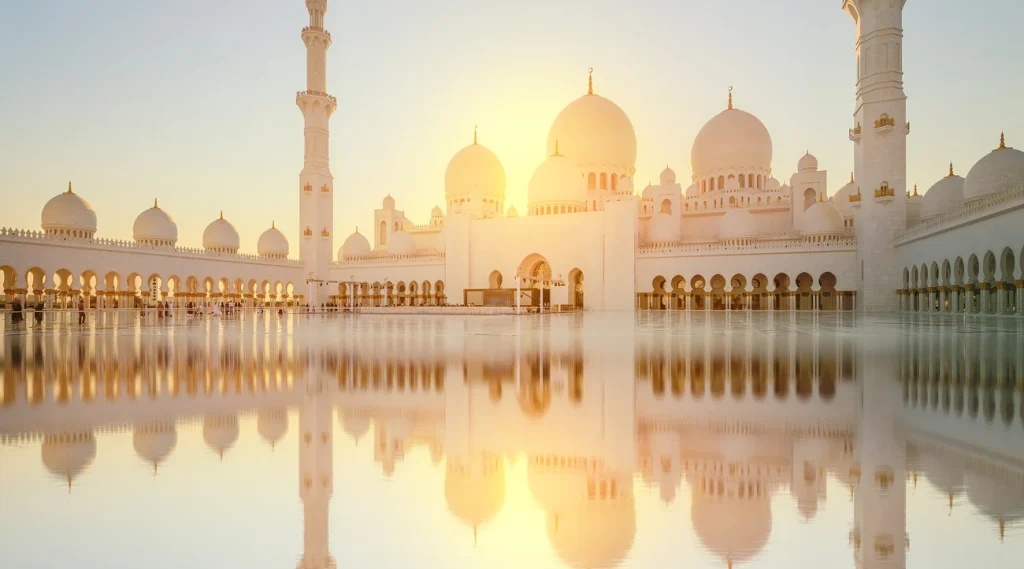
A mosque visit is governed by the mosque’s own visitor programme and worship schedule. Do not infer that a tourist ticket, cultural meal or nearby walking tour gives unrestricted entry to prayer areas. Check the named session, meeting point and dress requirements, and avoid photographing people at worship without appropriate permission. A respectful visit begins with the actual host’s instructions.
Jumeirah Mosque is not an unrestricted drop-in
Use the Jumeirah Mosque guide to understand the cultural-visit format, then confirm the current Ramadan arrangements with the venue. A visitor programme can differ from ordinary opening information and from a worshipper’s access. Keep the visit in the Jumeirah part of the day instead of treating it as a short stop beside the Creek or Dubai Mall.
Al Farooq is a separate cultural visit
Al Farooq Omar Bin Al Khattab Mosque in Al Safa is a different mosque and location. Do not transfer Jumeirah Mosque’s session details or visitor conditions to it. Check the current cultural-visit arrangements for Al Farooq specifically, including whether advance booking is required. The distinction matters when fitting a hosted visit around an iftar reservation elsewhere.
Confirm the venue, dress and session together
Pack and plan for the venue you will actually enter. Modest clothing is appropriate for cultural and religious settings, and the mosque’s own requirements take precedence over a general city packing list. A restaurant dress policy is another matter and may be more formal. Keep any necessary layer available before the outing rather than discovering it is needed at the entrance.
Ramadan dates and Eid are separate planning checks
Ramadan follows the lunar calendar, so its Gregorian dates move from year to year and official confirmation matters. Eid al-Fitr follows Ramadan and can have a different programme and operating pattern. Do not use a dated festival page as proof of next year’s dates or promise that an event, cannon location or tent will return unchanged.
Good to know
- Daytime restaurants remain available under Dubai’s official guidance.
- Iftar and suhoor have different timing and formats.
- Cultural visits follow the named venue’s instructions.
- A short Creek evening can keep Al Fahidi and Al Seef together.
Avoid these mistakes
- Do not say the whole city closes during Ramadan.
- Do not transfer one mosque’s visitor rules to another.
- Do not assume an admission ticket includes an iftar meal.
- Do not publish last year’s festival dates as the next season.
Five checks for a Ramadan day in Dubai
Give the day one clear evening priority: an iftar meal, a cultural session or a shorter walk. Suhoor is a different late-night/pre-dawn meal tradition, not another name for the sunset meal. If you plan a late evening, choose the return journey and next morning’s start accordingly rather than stacking every available programme into one night.
Choose the evening district
Keep Downtown, the Creek or Jumeirah coherent.
Confirm the exact meal
Iftar, ordinary dinner and suhoor are distinct.
Read the visitor-session conditions
Mosque entry and cultural programmes need their own checks.
Plan the return journey
A later finish changes the next morning too.
Use current-year information
Events and venues can change between Ramadan seasons.
Compare daytime, iftar and late-evening plans
The table separates the purpose of each part of the day. Treat it as a planning comparison, not a timetable for every Dubai venue. Opening times, prayer sessions, menus and booking conditions must be checked with the places selected for your dates.
| Decision | Use this information | Practical check |
|---|---|---|
| Downtown plan | Attraction plus nearby meal | Avoid an extra cross-city stop before the reservation |
| Creek plan | Al Fahidi / Al Seef and a local meal | Check which bank the booking is on |
| Jumeirah plan | A confirmed cultural visit | Allow for the separate mosque session |
| Late evening | One chosen programme | Do not assume ordinary transport hours remain suitable |
Keep attraction admission separate from hosted experiences
An attraction admission does not automatically include iftar, and a general city tour does not automatically include a hosted Ramadan meal or mosque visit. Read the product inclusions. Use the relevant Tickets and Experiences guides to separate what is being booked, then confirm any Ramadan-specific programme with the operator.


Dubai Ramadan visitor questions
Must non-Muslim tourists fast in Dubai?
No. Dubai’s official guidance says non-Muslims are not required to fast. Be considerate of those observing it and follow venue arrangements.
Are iftar and suhoor the same meal?
No. Iftar breaks the fast after sunset; suhoor is before dawn. Check the exact service you are reserving.
Can I use ordinary mosque opening information during Ramadan?
Confirm the visitor programme for that specific mosque and date. Worship access and cultural visitor sessions are different.
Can I use last year’s Ramadan dates?
No. Ramadan follows the lunar calendar and the dates move. Use current official confirmation and the programme for your travel year.