




























In short
Mleiha offers an archaeology-led day inland from Dubai. Start at the archaeological centre, visit the Umm an-Nar tomb if access permits and add a guided landscape stop only if it suits the group.
- Use the centre to understand the chronology before visiting outdoor sites.
- Confirm what your booking covers before arranging a desert drive.
- Keep Faya’s UNESCO inscription distinct from visitor access rules.
☰ Table of content
Choose an archaeology day in Sharjah’s Central Region
Mleiha works for travellers who want to see how archaeologists read the landscape around an inland settlement. The centre brings together exhibits, context and visitor information. Start there before making decisions about outdoor stops, and keep an indoor-only option if the heat or the group’s mobility makes exposed sites unsuitable.
Why choose it
- A meaningful indoor collection visit.
- An optional Bronze Age tomb and desert landscape stop.
- Clear distinctions between geology and archaeology.
To keep in mind
- Outdoor travel and local access need planning.
- The UNESCO landscape has protected areas.
- Ordinary admission and guided desert activities have different terms.
Book the road transfer and the outdoor visit separately
Set the Mleiha Archaeological Centre as the main road destination. A regular car or private driver suits the paved journey to the centre. A desert activity can require an operator’s vehicle and a separate meeting time. Confirm the return to Dubai before departure, especially if your activity finishes later in the day.
| Travel choice | Works for | Check before leaving |
|---|---|---|
| Self-drive | The paved trip to the centre | Current admission and parking |
| Private driver | A centre visit with the return arranged | Waiting time and Dubai pickup |
| Guided desert activity | A named outdoor route | Vehicle, access and meeting point |
Morning: exhibitions and the Umm an-Nar tomb
Use the centre’s exhibits to distinguish the Stone Age evidence found in the region from later Bronze Age burial sites. The circular Umm an-Nar tomb is a useful second stop when access is available. A guide can explain what the shape and excavation tell us while keeping the visit on the designated route.

Mleiha Archaeological Centre
Read the exhibits before choosing outdoor stops.
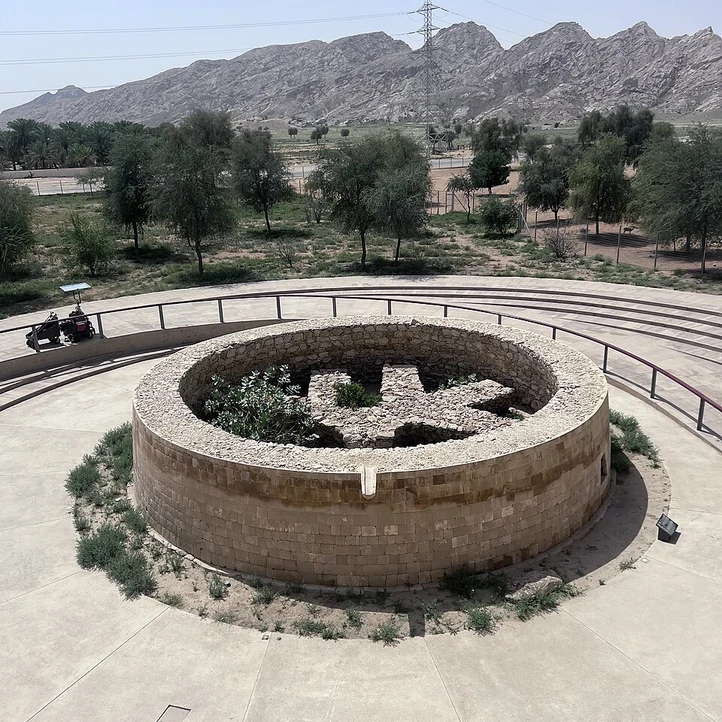
Umm an-Nar tomb
Use the visitor route to see the circular Bronze Age burial structure where access permits.
Afternoon: decide whether to add Fossil Rock
Choose a Fossil Rock outing only after confirming the vehicle, route and amount of walking involved. The area’s marine fossils tell a geological story that predates the archaeological sites. Keep to permitted access and leave fossils and archaeological material in place. A pause at the centre is a good alternative to a longer outdoor leg.
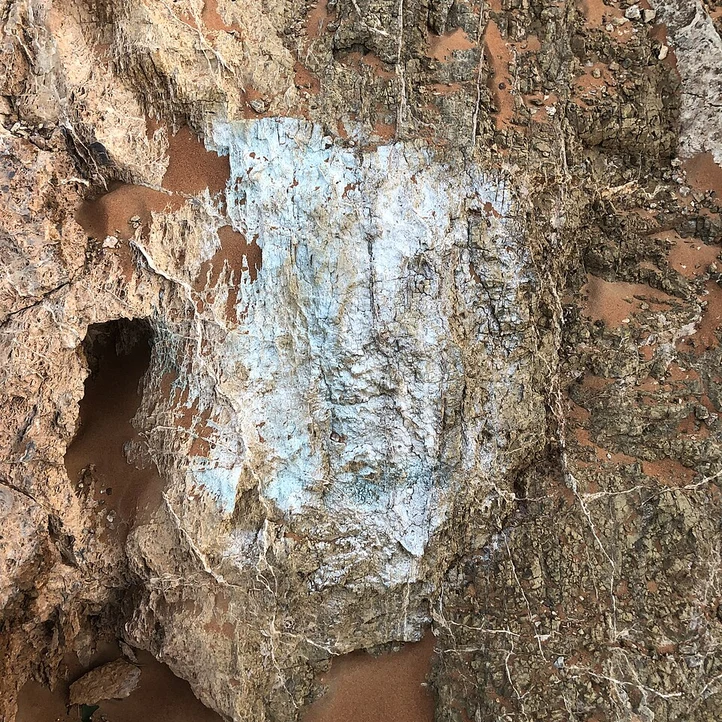
Fossil Rock
Use a confirmed route to see the landscape and its marine-fossil geology, then return towards Dubai.
Understand the Faya Palaeolandscape without treating it as one attraction
Faya entered the UNESCO World Heritage List in 2025. UNESCO describes a broad landscape with evidence of human occupation from about 210,000 to 6,000 years ago. That inscription covers a protected cultural landscape rather than a single museum admission. Ask which site your operator can take you to and what you will actually see.
Use the centre as your meeting point and confirm local access
Save Mleiha Archaeological Centre as the first pin. Confirm outdoor access with the centre or the named operator before leaving the paved road. A Fossil Rock search result may point to a viewpoint, trail or another desert approach. Use the instructions attached to your specific visit.
Use the archaeological centre as the first stop from Dubai.
Confirm the visitor route and vehicle with the operator.
Agree pickup at the centre or the booked activity’s official meeting point.
Good to know
- Check the centre’s current opening and admission.
- Confirm each outdoor stop and meeting point.
- Keep to signed or guided routes.
Practical tips
- Choose the main purpose of the trip before booking transport.
- Leave exposed walking optional.
- Arrange the return to Dubai in advance.
Keep lunch between the indoor and outdoor stops
Visit Sharjah lists a café at the archaeological centre. Check its operation before depending on it for a full meal. If you have a scheduled desert departure, build the break around its check-in time and carry water for the outdoor section.
At the centre
Use the café if it is open and fits the visit.
Before the desert leg
Finish lunch before the activity’s check-in time.
After the visit
Plan a separate meal stop if you are returning later.
Read the Stone Age evidence and Bronze Age tomb on different time scales
Faya records human responses to changing environments over a long period. The Bronze Age tomb at Mleiha belongs to a later historical context, while Fossil Rock reveals older natural history.
Read allShow less
The Faya landscape contains archaeological layers, landforms and evidence that people returned to the region under different climate conditions. At Mleiha, the reconstructed interpretation of settlements and burial places helps give that broad story a local setting. Move between the exhibition and the open sites with attention to the difference between archaeological evidence, geological features and the visitor facilities seen today.
Book a separate day for Dubai sightseeing
Reserve Dubai attractions separately from a Mleiha excursion. Admission to a Dubai viewpoint or a city tour does not cover the journey into Sharjah or entry to the archaeological centre.

Frequently asked questions
Is Mleiha in Dubai?
It is in Sharjah’s Central Region. The day trip begins with a road journey from Dubai.
Can I drive to Mleiha Archaeological Centre?
Yes, the centre is reached by road. Use a confirmed operator for any off-road activity you book.
Is the tomb the same age as the oldest Faya evidence?
The Umm an-Nar tomb is a Bronze Age site. UNESCO’s Faya description covers much older evidence as well.
Does centre admission include a desert drive?
Check the booking. Centre entry and guided outdoor activities have separate terms.
Is all of Faya open to independent visitors?
Use authorised visitor routes and ask the centre or operator which protected sites are accessible.
Can I visit without a long walk?
Start with the exhibitions and ask about access to the nearby tomb. Keep longer outdoor routes optional.