


























In short
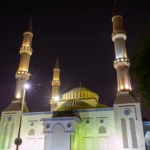
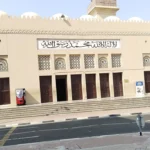
The Iranian Mosque, also called Ali Ibn Abi Talib Mosque, stands in the lanes of Bur Dubai near the Textile Souk. Its façade is covered in blue, green and yellow Persian tiles, which makes it one of the most photographed buildings in the old quarter. The prayer hall is for Muslim worshippers, so plan a short exterior stop on a walk between the souk, the Creek and Al Fahidi.
☰ Table of content
Plan an exterior stop, not an interior visit
This is a working Shia mosque without a visitor programme. Non-Muslim visitors view the building from the public street and keep the entrance clear, especially around prayer times. If you want to go inside a mosque with a host, book the programme at Jumeirah Mosque or check the hosted sessions at Bur Dubai Grand Mosque, a few minutes away on foot.
Hours
-
Exterior view Any time in daylight
Public street; keep the entrance clear
-
Prayer periods Busier lanes
Avoid photographing worshippers
-
Suggested stop 10–20 minutes
Editorial allowance
Prices of visits
-
Exterior stop Free
Viewed from the public lane
-
Abra crossing Separate fare
Paid on board for the route you choose
-
Guided walk Separate purchase
Check whether the stop is included
Find the mosque in the lanes behind the Textile Souk
Use Iranian Mosque Bur Dubai or Ali Ibn Abi Talib Mosque as your destination. Another Iranian mosque, Imam Hussein Mosque, is on Al Wasl Road in Satwa, so check that the map pin is in Bur Dubai. The building is in the Al Souq Al Kabeer area, a short walk inland from the Textile Souk and the abra landings.
Tiled façade
Blue, green and yellow panels cover the front.
Arched portal
The main entrance is framed by calligraphy.
Window rows
Pointed arches repeat across the upper level.
Street setting
Plain neighbouring buildings make the colours stand out.
Textile Souk
The covered market begins a short walk away.
What to look for on the façade
Stand across the lane to take in the whole front. The tile panels combine floral scrolls, geometric borders and bands of calligraphy in blue, turquoise, green and yellow. Look for the arched portal, the rows of pointed windows and the way the colours stand out against the plain sand-coloured buildings around it. Morning or late-afternoon light is kinder to the tiles than the midday sun.
Walk on to the Textile Souk and Al Fahidi
From the mosque, walk towards the Creek to reach the covered lanes of the Textile Souk, then follow the waterfront or the back streets to Bur Dubai Grand Mosque and the courtyard houses of Al Fahidi. An abra crossing from the nearby landing takes you to the Deira souks if you want to continue on the other bank.
Good to know
- View the building from the public lane and keep the doorway clear.
- Do not photograph worshippers entering or leaving.
- Come in the morning or late afternoon for softer light on the tiles.
Practical tips
- Check the map pin: a different Iranian mosque stands in Satwa.
- Walk from the Textile Souk rather than asking a taxi to enter the lanes.
- Carry small change if you plan to cross the Creek by abra afterwards.
Getting to the mosque from the Metro or the Creek
From the Green Line, walk from Al Ghubaiba or Al Fahidi station and use the full mosque name for the final lanes. If you arrive by abra from Deira, choose a Bur Dubai landing and walk through the Textile Souk. Taxis can be slow in the narrow streets: ask to be dropped near the souk entrance and walk the last few minutes.
Walk from Al Ghubaiba or Al Fahidi station on the Green Line and use the full mosque name for the final lanes.
Choose a route that lands on the Bur Dubai side, then walk through the Textile Souk.
Ask for the Textile Souk entrance in Bur Dubai and walk the last few minutes.
Iranian Mosque (Ali Ibn Abi Talib Mosque), Al Souq Al Kabeer, Bur Dubai, Dubai
Getting around Dubai
Choose the right mosque for your Dubai itinerary
Choose the Iranian Mosque for a short photography stop on an Old Dubai walk. Bur Dubai Grand Mosque is the nearby option with a hosted visit, Jumeirah Mosque has its own public programme on Jumeirah Beach Road, and Al Farooq Mosque is in Al Safa.
A landmark of Bur Dubai’s Iranian community
Merchants from southern Iran settled around the Creek generations ago and shaped the trading streets of Bur Dubai. The mosque, built in 1979, is one of the clearest signs of that community in the old quarter.
Read allShow less
Read allShow less
It is named after Ali Ibn Abi Talib, a central figure in Shia Islam. The tilework follows Persian tradition, a style that stands apart from the plain coral-stone and gypsum buildings of the nearby heritage district. The surrounding lanes still hold fabric shops, small restaurants and other businesses linked to the same trading history.
Dubai Frame admission and wider Dubai city tours

Questions about the Iranian Mosque in Bur Dubai
Can non-Muslim visitors go inside?
No visitor programme is offered. Non-Muslim visitors view the mosque from the street.
Is there anything to pay?
No. The exterior stop is free. An abra crossing or a guided walk is a separate cost.
What should I wear?
Dress modestly for the old quarter, with shoulders and knees covered.
Is this the Iranian mosque in Satwa?
No. Imam Hussein Mosque is on Al Wasl Road in Satwa. This guide covers the mosque near the Textile Souk in Bur Dubai.
Can I come from the Deira souks?
Yes. Take an abra that lands on the Bur Dubai side and walk through the Textile Souk.
Can I combine it with Al Fahidi?
Yes. Walk on past Bur Dubai Grand Mosque to the courtyard lanes of Al Fahidi.
When is the best light for photos?
Morning and late afternoon usually give softer light on the tiled front.
Which mosque can I visit inside nearby?
Check the hosted programme at Bur Dubai Grand Mosque, a few minutes away on foot.