
































Breakfast
Balaleet, chebab and traditional breads
A main meal
Compare the actual rice, meat or seafood dishes
Regional labels
Emirati and Levantine are not interchangeable
Cultural meals
A scheduled hosted programme differs from a restaurant table
In short
Emirati food is one part of Dubai’s much wider dining scene. A Lebanese mezze menu, an Indian biryani and a traditional Emirati breakfast are different choices. Start with the dishes and the meal format you want: sweet-and-savoury breakfast, a rice-based main, a regional restaurant dinner or a hosted cultural meal. Then choose the correct Dubai branch rather than following a brand name across the city.
☰ Table of contents
Balaleet and chebab: build a breakfast at Arabian Tea House
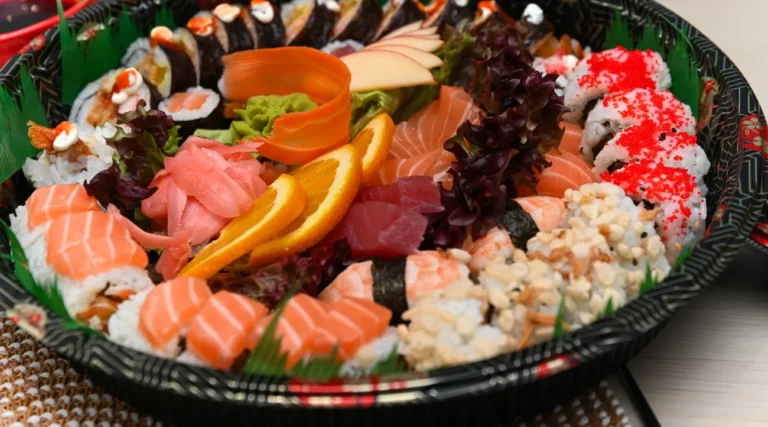
Balaleet combines sweet spiced vermicelli with an omelette. Chebab is a soft Emirati bread often served with cheese, honey or date molasses. Arabian Tea House’s breakfast menu offers both, individually or as part of a larger selection. Choose the dish you want to try before ordering a full tray.
Arabian Tea House — Al Fahidi
A heritage-district breakfast stop for balaleet, chebab and bread-based trays.
A breakfast tray can also bring beans, chickpeas, cheeses and several breads. It is a meal format, not a promise that every pictured component comes with every order. Read the current selection and portion before choosing several trays for the table.
For the Al Fahidi branch, combine breakfast with the surrounding heritage lanes. The brand also has other locations, so specify Al Fahidi rather than assuming every Arabian Tea House is next to Dubai Creek.
These dishes belong to a wider Gulf food tradition as well as Emirati cooking. Trying them in Dubai does not make them unique to one city, and a general Arabic breakfast tray may contain a different selection from the Emirati-labelled one.
Al Khayma: choose an Emirati meal in the Al Fahidi district
Al Khayma Heritage Restaurant gives an Al Fahidi visit a dedicated Emirati-food stop. Decide whether breakfast or a fuller restaurant meal is the purpose of the visit, rather than treating the venue as a quick café pause between unrelated bookings.
Al Khayma Heritage Restaurant
A heritage-area restaurant for an Emirati meal, separate from the operator’s desert-camp products.
An Emirati main can be built around meat, rice, fish or bread-based preparations. Ask about the dishes actually offered for your sitting and their portion sizes; a cuisine label is not a fixed tasting menu.
Specify the Dubai heritage restaurant when contacting the operator. Its desert camps and other locations are separate products, and a safari booking does not reserve an Al Fahidi restaurant table.
Keep the meal within a Bur Dubai outing. A walk through the heritage lanes or towards the Creek is a more coherent continuation than rushing straight to a timed Palm Jumeirah attraction across the city.
Machboos and a fuller meal at Al Fanar Festival City
Al Fanar’s menu includes machboos, a spiced rice dish served with a selected meat accompaniment. Choose the actual dish and portion when ordering rather than treating “Emirati rice” as a single interchangeable plate.
Al Fanar — Dubai Festival City
A full Emirati restaurant meal at the Festival City branch, distinct from the Al Seef seafood location.
The Festival City branch is inside Dubai Festival City Mall. It is a different destination from Al Fanar Al Seef beside the Creek or the Al Barsha Pond Park branch. Use the location that fits the rest of the day.
Choose Festival City for a deliberate restaurant outing or a meal already aligned with that part of Dubai. Do not describe it as a short walk from Al Fahidi simply because both venues appear in Old Dubai food searches.
Siraj: understand the Emirati-Levantine combination
Siraj describes its cuisine as Emirati-Levantine. That is useful information for choosing the meal: the restaurant combines regional influences rather than presenting every mezze or grilled dish as a uniquely Emirati speciality.
Siraj Restaurant & Café
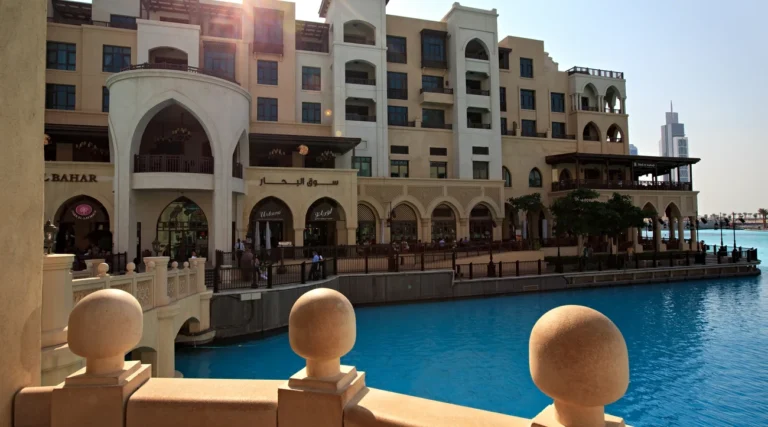
A contemporary regional meal at Souk Al Bahar, combining Emirati and Levantine influences.
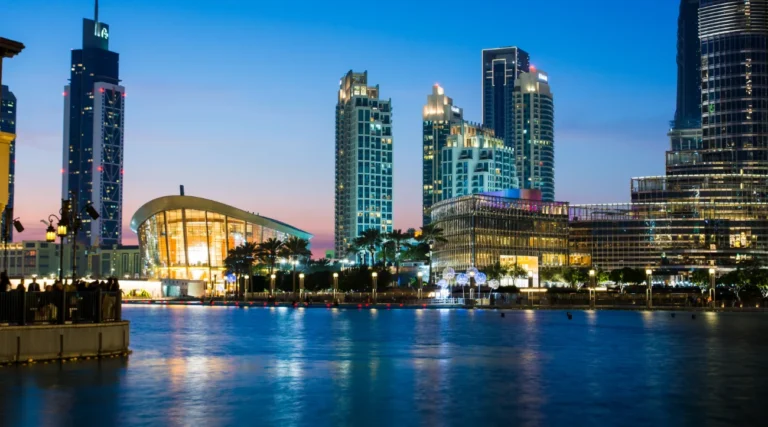
At Souk Al Bahar, this choice suits a Downtown day. Compare the menu with the food you actually want to try, then decide whether the setting or a particular dish is driving the reservation.
A Downtown terrace and a heritage-district breakfast have different roles in an itinerary. Siraj can suit a planned evening after the lakefront, while Al Fahidi works better for a slower morning centred on the historic neighbourhood.
If the view matters, request the relevant seating area directly. Cuisine, terrace availability and a Fountain-view table are separate considerations; one does not guarantee the others.
SMCCU: choose a cultural meal when you want to ask questions
The Sheikh Mohammed bin Rashid Al Maktoum Centre for Cultural Understanding combines a meal with conversation about Emirati life and customs. Choose this format when the explanation and the chance to ask questions are part of what you want from the food stop.
SMCCU cultural meals
A scheduled meal and discussion with an Emirati host, rather than a conventional walk-in restaurant.
Book the specific programme and date. Breakfast, lunch and other formats follow the centre’s schedule; do not assume an ordinary restaurant reservation or that every meal format runs each day.
The food is part of a hosted session, not a guaranteed list of every dish named in this guide. Ask about the menu and dietary needs for your actual booking, especially if a particular ingredient or seating arrangement matters.
Allow time for the discussion as well as eating. An unhurried Al Fahidi walk or Creek crossing afterwards fits better than placing the programme inside a narrow gap between timed attractions.
Read the dish name, branch and meal format together
Choose one food-led experience that fits the day. A breakfast in Al Fahidi, lunch at Festival City and dinner in Downtown require different routes; they are not three stops on one compact food street. Start with the flavour or cultural experience you want, then choose the branch.
For sweet and savoury breakfast
Compare balaleet and chebab with a full breakfast tray before ordering several overlapping dishes.
For a rice-based main
Ask which machboos preparation and portion the selected Al Fanar branch offers.
For regional variety
Siraj combines Emirati and Levantine influences; read the actual menu rather than merging the labels.
For food and conversation
Choose a scheduled SMCCU cultural meal and allow time for the hosted session.
A viewpoint visit and an Old Dubai guided walk
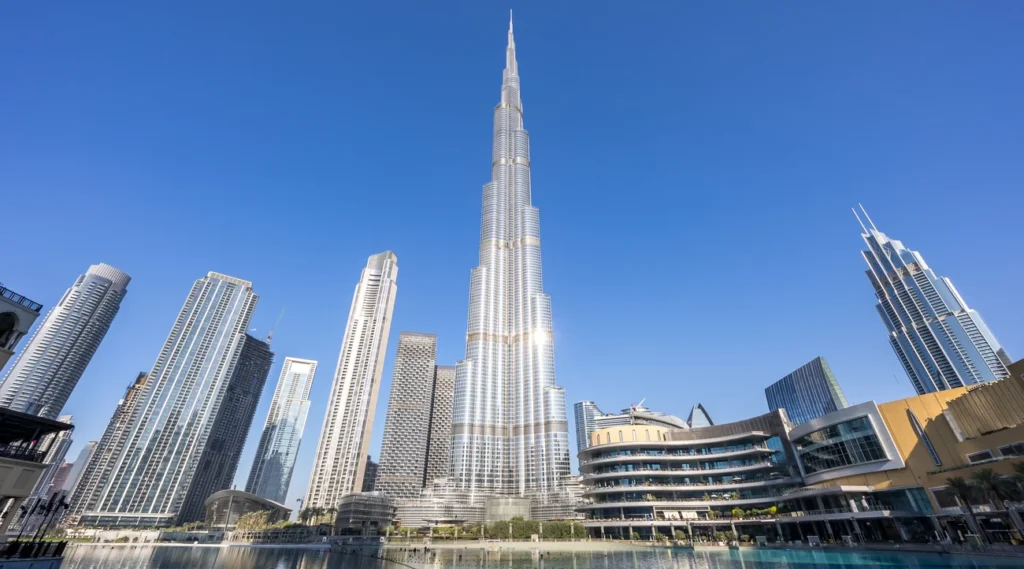
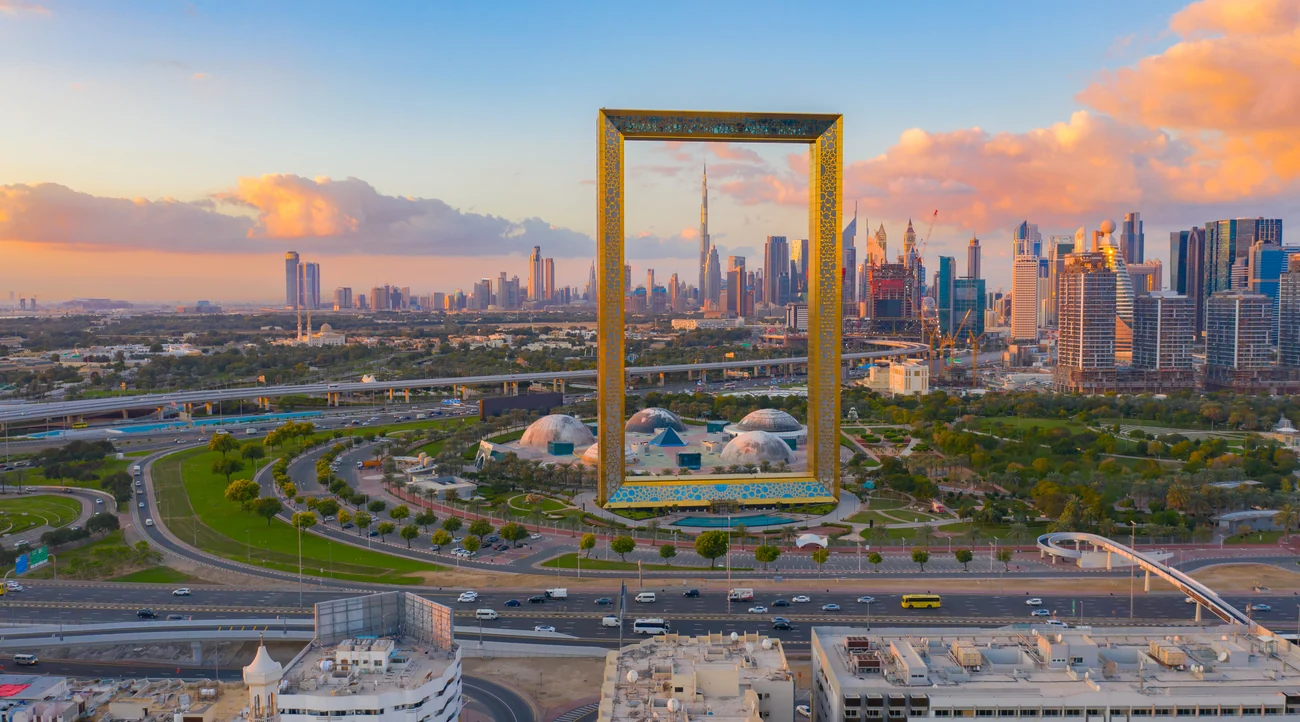
A guided heritage walk can add context to Dubai’s markets and food traditions. A viewpoint ticket is a separate sightseeing choice. Neither booking includes the restaurants or hosted meals above unless the selected offer explicitly lists them.

Questions about trying Emirati food in Dubai
Is all Arabic food in Dubai Emirati?
No. Dubai’s restaurants include many regional cuisines. Emirati, Levantine, Persian, Indian and other food traditions should not be treated as one menu simply because they are served in Dubai.
What are balaleet and chebab?
Balaleet is sweet spiced vermicelli commonly served with an omelette. Chebab is a soft bread served with accompaniments such as cheese, honey or date molasses. Check the current preparation and tray contents at the venue.
Is Al Fanar Festival City the same as Al Seef?
No. They are separate branches in different parts of Dubai. Choose the branch and menu that suit your route rather than relying on the restaurant brand alone.
Is a cultural meal the same as a restaurant booking?
No. SMCCU offers scheduled hosted programmes. Book the specific meal session and date, and ask about its actual menu, duration and seating arrangements.