


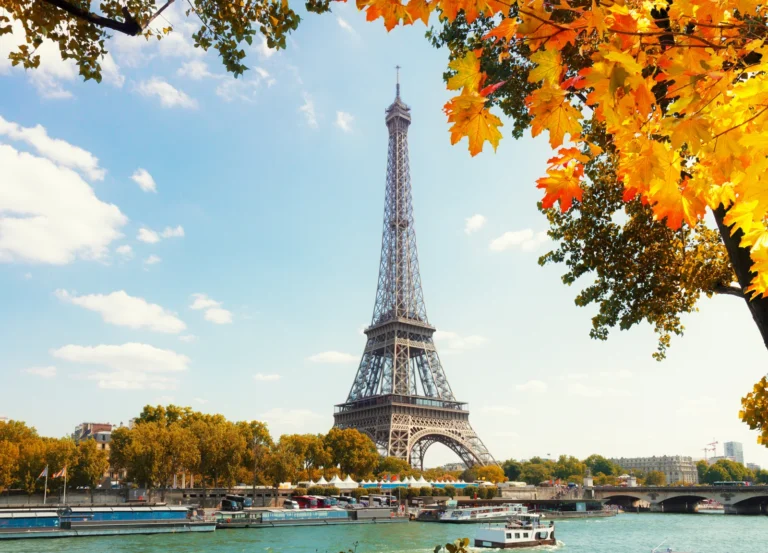
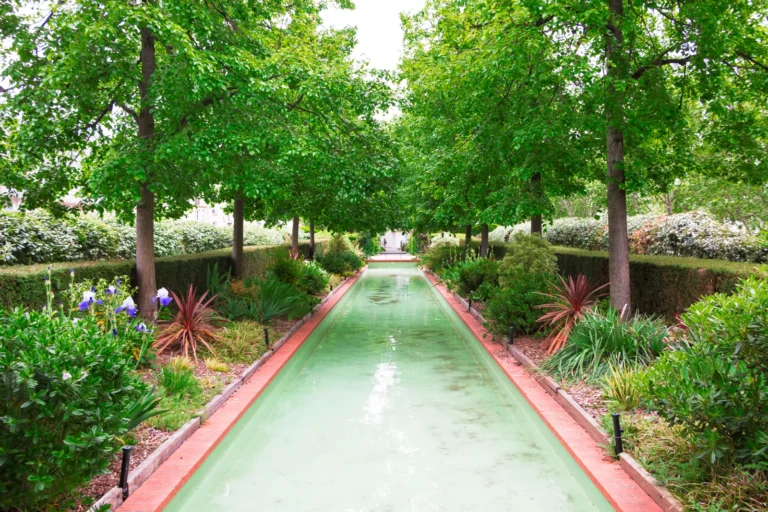
Choose Rome if you want ancient buildings, art in churches and evenings that grow out of walks between piazzas. Choose Paris if your ideal break revolves around a collection, a neighbourhood and a different view of the city each day. That is the starting point, not the whole answer: a Vatican-heavy Rome trip can be more museum-intensive than a Paris weekend spent outdoors. Below, compare the visits you would actually make, see a three-day route for each city and work out where to stay and what to leave out.
Rome or Paris: which differences matter?
| Your trip | Rome | Paris |
|---|---|---|
| First-time headline sights | Colosseum, Roman Forum, Pantheon and the Vatican need separate blocks of time. | Louvre, Eiffel Tower and Montmartre belong to different outings. |
| Art | Antiquity, Renaissance and Baroque art; important works remain in churches and palaces. | A particularly strong choice for a museum-led trip spanning different periods. |
| The streets between visits | Layers of archaeology, small piazzas and winding lanes in the centre. | Boulevards, gardens, riverbanks and neighbourhoods with distinct street patterns. |
| Walking and transport | A central route can work on foot, but the Vatican and outlying districts change the day. | Metro and RER make a wide city workable; plan districts rather than an endless central walk. |
| Evenings | Monti, Trastevere or Testaccio can become the focus of an evening. | Choose between a neighbourhood dinner, river walk, performance or late museum session when available. |
| A short stay | Works best when ancient Rome and the Vatican do not compete for the same day. | Works best when one large museum does not compete with every other landmark. |
Rome is not just outdoor ruins, and Paris is not just museums. The useful distinction is where you want to spend the expensive, tiring part of the day. If you are excited by walking through an archaeological site, Rome has a clear advantage for you. If you want several hours tracing a period of painting, compare the exact collections in Paris before looking at fares.
For a first two-night visit, choose two headline experiences and one neighbourhood. For three full days, the routes below leave room for three different sides of each city. Adding Versailles to Paris or an excursion outside Rome changes the scale of the trip: it replaces a city day rather than fitting around it.
Rome: choose your major visits
The Colosseum, Pantheon and Vatican Museums tell different stories. They are not three versions of a historic interior. The Colosseum makes sense alongside the Forum and Palatine; the Pantheon sits naturally within a walk through the historic centre; the Vatican collection needs its own substantial visit. Decide which of those stories interests you before buying a bundle.
For a first visit, the Colosseum and Vatican Museums can both be worthwhile, but put them on different days. Both can involve long periods standing and following a defined visitor route. A free afternoon afterwards is useful for an actual neighbourhood, not merely as insurance against running late.
If church art is your main interest, Rome can support a very different itinerary: choose a small group of interiors, learn what you are looking at and walk between them. Check visiting windows around services. A church appearing on the map is not a guarantee that its art is accessible at the hour you arrive.
Start with our Rome museum guide if archaeology is not your main draw. The city is a poor fit only if the particular Rome you are planning does not interest you; it should not lose a comparison because a generic itinerary overemphasises ruins.

Paris: select a collection, then build around it
The Louvre is a convincing reason to choose Paris, but “visit the Louvre” is not yet a plan. Select a few rooms, a period or a theme. Leave the rest for another trip. The Musée d’Orsay offers a different collection and setting; a smaller museum may suit a mixed-interest party better than either.
A first Paris trip also works without a large museum. The Latin Quarter, Saint-Germain-des-Prés, the Seine and gardens can support a rich day on foot. The important choice is whether you want streets, a collection or a landmark to be the main event. Trying to make all three equally important is what produces an exhausting itinerary.
Use our Paris museums and galleries guide to choose the collection, then the neighbourhood guides to place it in a workable day. If your interests are specialist, look beyond the most photographed institutions: a trip built around one collection you love is easier to enjoy than a circuit of compulsory stops.
Three days in Rome: ancient city, Vatican and neighbourhoods
This is a first-visit structure, assuming three usable days rather than an evening arrival followed by two mornings. The linked routes provide the detail; use the order here to separate the major visits. Move the Vatican day to match its calendar, and decide whether the museum collection is actually one of your priorities.
Day 1 — Colosseum, Forum and Monti
Give ancient Rome the morning and early afternoon. Continue into Monti for smaller streets and dinner rather than crossing to the Vatican.
Day 2 — Vatican and a Prati evening
Make the museum your main visit. Separate museum entry from other Vatican plans; finish around Prati without another ambitious cross-city booking.
Day 3 — Pantheon, piazzas and Trastevere
Use a historic-centre walk to connect the Pantheon area and piazzas, then continue towards Trastevere for a different neighbourhood rhythm.
With two full days, keep ancient Rome and choose between the Vatican collection and a slower centre-and-Trastevere day. Do not simply compress all three. If the Vatican is the reason for travelling, make it the first fixed point and shorten the archaeology plan instead.
For a return visit, swap a headline day for Testaccio and the museum or neighbourhood you missed. Rome becomes more rewarding when there is room to follow a particular interest, rather than constantly returning to the same list of major sights.
Three days in Paris: collection, river and two distinct districts
This version chooses one large collection. It gives the river and neighbourhoods a real place in the trip, rather than treating them as the route between reservations. The Louvre is closed on Tuesdays: use the official museum calendar to arrange the sequence before booking.
Day 1 — Louvre and the central gardens
Choose a collection route, then leave the afternoon for the Tuileries, Palais-Royal or a short river walk. Keep the evening flexible.
Day 2 — Left Bank and the Eiffel Tower area
Explore the Latin Quarter or Saint-Germain first. Put any tower ascent in its own block, allowing for the journey and entry process.
Day 3 — Montmartre, then the Marais
Start with the hill while you have energy. Use transport for the change of district; spend the rest of the day around the Marais.
If d’Orsay matters more to you than the Louvre, replace the collection rather than adding a second museum to day one. If you want two museum days, shorten the neighbourhood programme and say so explicitly. The plan should reveal your preferences rather than conceal them behind a long list.
With only two days, choose the large museum and one district, then decide whether the tower is an ascent or simply part of a river outing. Montmartre can wait if your interests point elsewhere. Our two-day Paris itinerary helps with the shorter version.
Where to stay: compare evening bases and actual routes
In Rome, the historic centre works well for piazzas and walking between central sights. Monti is useful if ancient Rome and evenings nearby are central to the trip. Prati deserves consideration for a Vatican-focused stay. Trastevere can suit travellers who want the evening neighbourhood on their doorstep, but it does not put the Colosseum and Vatican Museums next door.
Compare the central Rome accommodation guide, Colosseum area and Prati using your chosen day plans. The street, floor, lift and room orientation matter as much as the district name.
In Paris, the Marais and Latin Quarter are useful starting points for a neighbourhood-led stay. Saint-Germain can suit a Left Bank plan. A room further away may work well with a direct connection, but “near a metro” is not enough: check the actual line, changes and station walk for your planned evenings. Start with where to stay in Paris and test two real addresses.
For both cities, inspect how the room works for your party. Three adults, two friends wanting separate beds and a couple travelling with a child are not buying the same product. Compare the full stay price, cancellation terms and bed layout before declaring one city cheaper.
Food and evenings: the trip after the last admission
Rome is a strong choice if dinner and the walk around it are major pleasures. Choose an evening in Monti, Trastevere or Testaccio, then explore that district properly. The Rome food guide is a better next step than a city-wide list of “best” restaurants that sends you across town after a long day.
Paris offers a different set of evening decisions: a bistro dinner, a walk along the river, a neighbourhood café or a performance can each be the main event. The Paris food guide helps you build around where you already plan to be. Reserve a particular restaurant when it matters, but avoid turning every meal into another appointment.
For groups, decide which meals need everybody together. A museum enthusiast staying longer should not force everyone else to wait outside, and a late dinner need not determine the whole next morning. Agree one shared evening plan and leave room for different interests earlier in the day.
If nightlife is a priority, compare actual venues and the journey home on your dates. Neither “Rome is lively” nor “Paris has nightlife” tells you whether your chosen hotel and evening fit together. Pay for the location you will use after dark, not just the landmark you will visit once.
Transport, budget and the limits of a short break
Rome’s central lanes reward walking, but your hotel, the Vatican, arrival terminal and evening district determine whether walking alone is realistic. Use the Rome metro guide and bus guide to connect the gaps. Check the actual airport in the flight booking before choosing a transfer.
Paris is larger than a central sightseeing map suggests. The Paris metro guide explains the urban network; RER information is relevant for different journeys. Airport travel is a separate planning decision: use the airport transfer guide for the airport you will actually use.
There is no useful universal “Rome costs X, Paris costs Y” answer without dates and a room standard. Compare accommodation, arrival transfers, two chosen visits and the meals you actually want. Rome can become expensive when you buy several guided or upgraded admissions; Paris can be approached with one paid collection and substantial time outdoors. The itinerary creates part of the price difference.
For an illustrative comparison, if one destination costs €120 more for the whole trip but gives two people an extra usable afternoon, ask whether that afternoon is worth €60 each. This is a decision example, not a claim about typical city prices. If the expensive visit that motivated the trip has no availability, a cheaper flight does not make the itinerary work.
Which city fits your dates and travelling style?
For warm-weather travel, look at the outdoor demands of your particular route. Rome’s archaeological areas can mean sustained exposure; Paris can also involve long uncovered walks. A heat-sensitive traveller should favour indoor blocks and a useful midday base in either city. In cooler months, Rome still involves outdoor ruins and Paris still rewards streets: neither becomes an entirely indoor destination.
For children, compare the actual visits. Several hours in a large museum are different from an open archaeological site, but neither automatically works for every age. Shorten the main visit, choose a nearby meal and leave a real stop afterwards. For step-free needs, inspect the venue route and station access separately; “central” and “near transport” do not establish accessibility.
Choose Rome this time if the ancient city, church art and piazza-to-neighbourhood evenings are the reason you want to go. Choose Paris if a particular collection, the river and contrasting districts make the stronger three-day story. If your answer changes when you see the itineraries, that is useful: you are choosing a trip rather than a reputation.
Make this trip work
- Rome: separate ancient Rome and the Vatican.
- Paris: select the collection before the ticket.
- Compare two real accommodation addresses.
- Count usable days after transfers.
Read next
One search.
More ways
to explore.
Compare tickets, tours and activities from different providers, all in one place.