



















In short
- Best balance: May, June and September: average highs of 19–22 °C and long days.
- Warmest and wettest: July and August average highs of 24 °C, with short thunderstorms; July is the rainiest month.
- Coldest: January averages 2 °C by day and −3 °C at night; the sky is often grey from November to February.
- Big dates: Christmas markets from late November to 6 January, Signal light festival in mid-October, Prague Spring music festival in May–June.
☰ Table of content
Choosing when to visit Prague
Prague has a continental climate: real seasons, cold winters and warm, sometimes stormy summers. Crowds follow Easter, summer and Advent, so the quietest pleasant months are late April, early June and the second half of September.
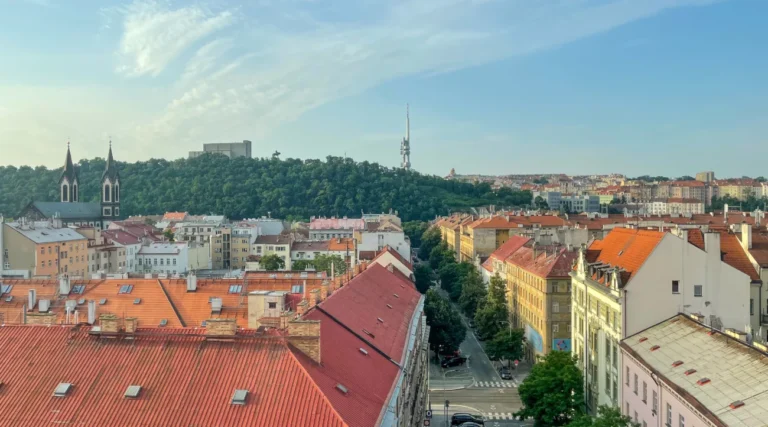
Late April–May
June and September
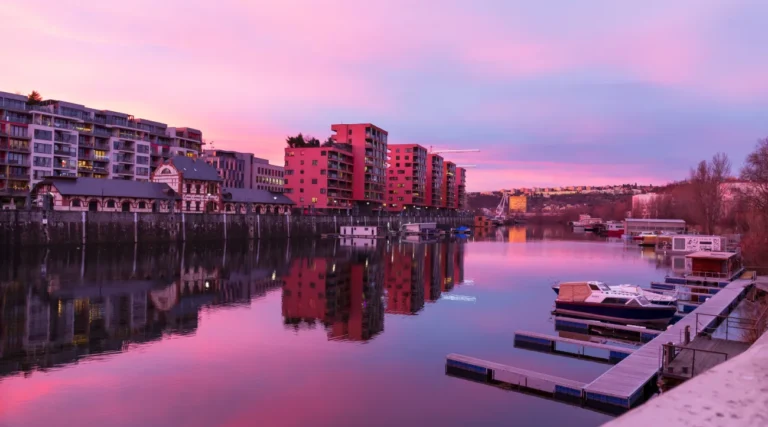
October–November
Advent
Prague season by season
Average highs below are long-term figures from the Czech Hydrometeorological Institute stations around Prague.
Spring (March–May)
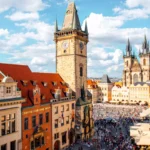
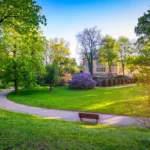
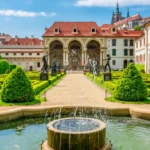
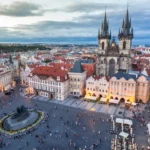
Highs rise from about 9 °C in March to 19 °C in May. The castle gardens and the Wallenstein Garden reopen in April, and Easter markets fill the Old Town Square.
Summer (June–August)
Highs of 22–24 °C, occasional heatwaves above 30 °C and afternoon storms. Days are long, river boats run late, and the Old Town is at its busiest in July and August.
Autumn and winter
September is still around 19 °C; October drops to 13 °C and November to 7 °C, with fog on the river. December and January stay near freezing, with snow on some days and about eight hours of daylight.
Events that shape your dates
The Christmas markets
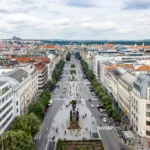
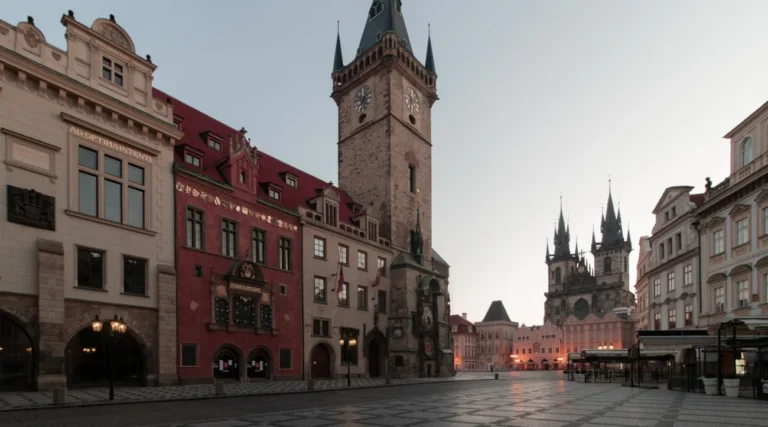
The Old Town Square and Wenceslas Square markets open on the Saturday before the first Sunday of Advent (late November) and run daily 10:00–22:00 until 6 January; most neighbourhood markets close on 24 December.
Prague Spring and the autumn festivals
The Prague Spring classical festival runs from mid-May into early June at the Rudolfinum and Municipal House (the programme is announced each November). In October come Designblok and the Signal Festival of light art, free outdoors in the evenings.
The two main Christmas markets stay open until 6 January
After Christmas the crowds thin while the stalls and the big tree on the Old Town Square stay until Epiphany.
Public holidays
1 January, Good Friday, Easter Monday, 1 and 8 May, 5 and 6 July, 28 September, 28 October, 17 November and 24–26 December. Many museums change hours and some shops close.
Good to know
- Daylight: about 16 hours in June, 8 hours in December.
- Prices: hotels peak at Christmas–New Year, Easter and summer weekends.
- Marathon weekend: the Prague Marathon (early May) closes central streets for a day.
Avoid these mistakes
- Do not expect the gardens in winter. They reopen in April.
- Do not plan the Christmas markets in mid-November. They open at the end of the month.
- Do not skip a rain layer in July. Storms are short but heavy.
Choosing your dates
For weather and space, aim for the second half of May, June or September. For atmosphere, the first week of December or the days after Christmas. Avoid New Year’s Eve unless you want the fireworks crowds.
Tours and tickets for any season
These run all year, inside or outside.

Prague: Relaxing One-Hour Vltava River Cruise in Jazz Style

Prague: Entry Ticket Classical Concert at the Mirror Chapel

Prague: 3-Hour Walking Tour of Old Town & Prague Castle
Compare a few options
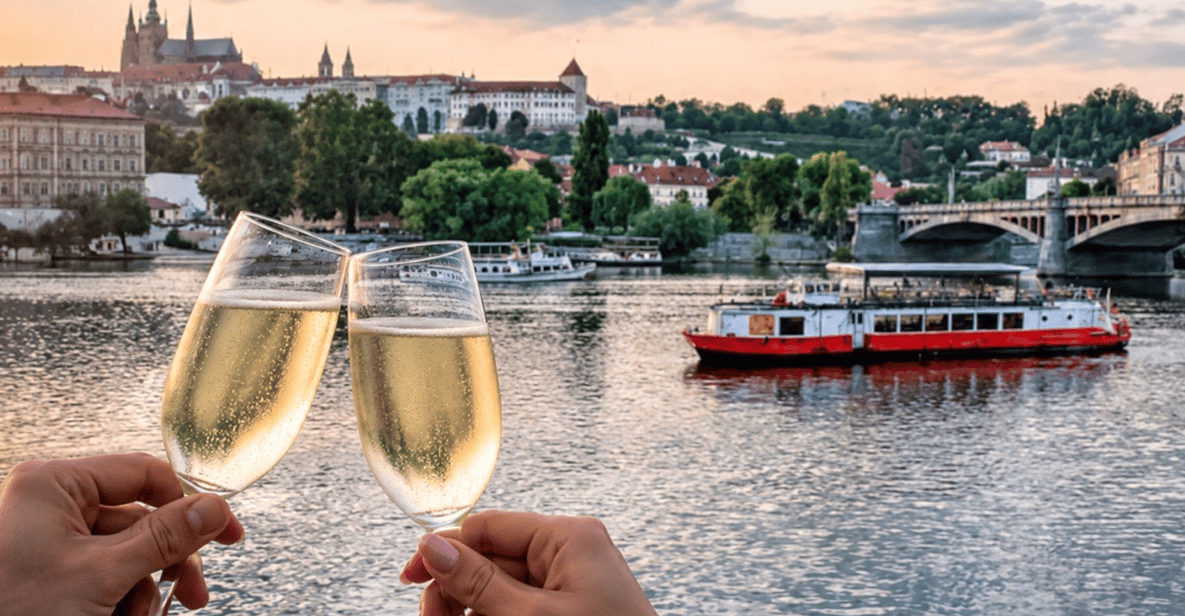
In cold months combine a short walking tour with an indoor concert; in summer, a river cruise in the evening when the city cools down.
Frequently asked questions
What is the best month to visit Prague?
May, June and September give the best mix of warm weather, long days and manageable crowds.
When are the Prague Christmas markets?
The main markets on the Old Town Square and Wenceslas Square run from late November to 6 January, 10:00–22:00.
How cold is Prague in winter?
January averages about 2 °C by day and −3 °C at night, with occasional snow.
When is Prague least crowded?
January to early March, apart from New Year, and November before the Christmas markets.